


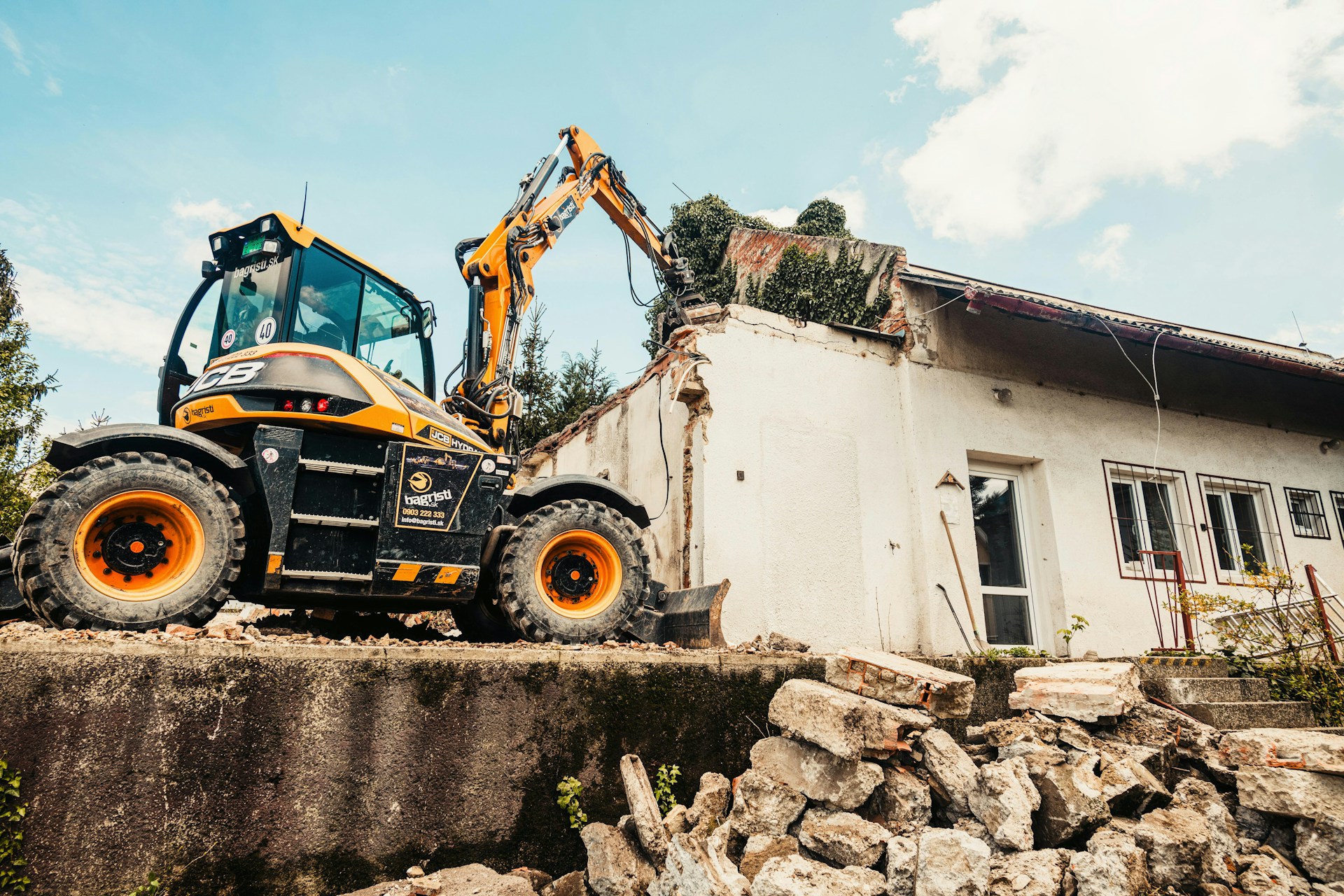
17 Feb Planning a Remodel? What Residential Demolition Involves
Start Your Remodel Right with Smart Demolition
Planning a remodel starts long before new cabinets, tile, or paint show up. The first real step is residential demolition, and how that step goes can make the rest of the project smooth or stressful. When demolition is planned well, your remodel moves faster, stays cleaner, and avoids surprise damage.
Residential demolition is not just ripping out old walls and fixtures. It is a careful process of removing what you no longer want while protecting the structure you are keeping. Framing, floors, plumbing, electrical lines, and your future layout all depend on smart choices in this phase. A thoughtful plan keeps your home safe and ready for the next trades to come in.
Homeowners across Westchester, Putnam, and Dutchess Counties and nearby Connecticut often start planning bigger projects as winter winds down. That is a great time to line up a fully insured local crew that knows the area, the housing stock, and what inspectors look for. When demolition is done right at the start, your remodel has a much better chance of staying on schedule.
What Residential Demolition Actually Includes
Residential demolition covers a wide range of work inside and outside a home. Indoors, it can include:
- Removing interior walls and partitions
- Taking out old flooring, ceilings, and paneling
- Gutting kitchens, bathrooms, and basements
- Pulling out cabinets, vanities, and built‑ins
- Removing old fixtures like tubs, sinks, and lighting
Outside, residential demolition can also mean:
- Tearing down sheds, small garages, or outbuildings
- Removing old decks, porches, and stairs
- Taking down damaged exterior features that are being rebuilt
There are two main types of demolition for remodels: full and selective. Full demolition is when a structure or space is completely taken down to make way for something new. Selective demolition is more common for kitchen, bath, or basement remodels. With selective work, we remove only certain parts, such as one wall, the ceiling, or specific finishes, while protecting the rest of the home.
Support services are a big part of keeping a remodel on track. When junk removal, debris hauling, and dumpster rentals are handled by the same team doing the demolition, the space stays cleaner and the schedule is easier to maintain. The quicker old materials leave the site, the quicker builders can get started.
Planning Demolition and Protecting Your Home
Before anyone swings a hammer, there is planning to do. The first step is walking the space with your remodel plans in hand. Together with your remodel contractor, you decide what stays and what goes. Structural elements, like main beams or key walls, need to be clearly marked. Items you want to keep, such as a special light fixture or trim, also need to be flagged so the crew protects them.
Permits and local codes are another piece. In New York and Connecticut, you may need permits for structural changes, exterior demolition, or work that affects utilities. Requirements vary by town, so it is important to confirm what applies to your project before demolition starts. Skipping this step can slow the job later when inspections happen.
We also plan the order of work and timing. Late winter and early spring can be a smart window to get residential demolition done, especially for interior projects. You can often get on the schedule sooner, and the work is not blocked by cold or wet ground. During planning, we look at:
- When your remodel contractor wants the space cleared
- Where a dumpster can safely sit without blocking traffic
- Access paths for carrying debris out of the house
- Weather that might affect any exterior removal
Protecting your home during demolition is just as important as removing the old material. A professional crew will locate and protect utilities before anything is taken apart. That means finding shut‑offs for water and gas, confirming electrical lines, and understanding where HVAC ducts run so we do not damage active systems.
Structural safety is another key point. Load‑bearing walls, beams, posts, and staircases support the building. If these are cut or removed the wrong way, the home can shift or sag. That can lead to serious safety issues and costly repairs. This is one big reason residential demolition is not a good DIY project.
We also set up jobsite protection, especially when the home is occupied. Common steps include:
- Laying floor protection on main paths and stairs
- Building plastic barriers to contain dust
- Covering vents so dust does not spread through HVAC
- Shielding nearby rooms from flying debris
- Protecting outdoor plants or patios near debris paths
These steps help keep the rest of your home livable while the remodel area is getting opened up.
Residential Demolition Day and Seasonal Tips
On demolition day, you can expect a few clear stages. The crew arrives, reviews the plan with you, and does a safety walkthrough. Utilities are checked again, protection is set in place, and dumpsters or trucks are positioned where they can be loaded easily and safely.
The actual removal often begins with fixtures and finishes, then moves to drywall, tile, and cabinets, and finally any approved framing. The crew will work in a set pattern so debris can be carried out efficiently. For typical projects:
- A bathroom demolition might take a day or two
- A kitchen might take two to three days, depending on size
- A partial interior or several rooms can take a bit longer
Noise and vibration are normal during this phase. There will also be dust, even with barriers and air filters running. Access to some parts of your home may be limited for safety. It helps to plan meals, pets, and kids around the work area so nobody needs to cross through the demolition zone.
Cleanup is built into the process. Debris is sorted, loaded into dumpsters or trucks, and hauled away. Junk removal can include old furniture, appliances, or household clutter that you do not want to move back into the new space. When demolition, junk removal, and dumpsters are coordinated, your remodel contractor can start rebuilding as soon as the demolition crew is finished.
Seasonal planning can make the process smoother. In winter, interior residential demolition works well because weather has less effect, and frozen ground can sometimes support dumpsters and equipment more firmly. Shorter daylight hours just mean planning start and stop times carefully.
As the weather shifts toward spring, schedules tend to fill up. Booking demolition early helps you lock in dates that line up with your remodel contractor. It is also a good time to combine interior demolition with exterior work like removing an old deck or porch so your whole project moves forward together.
Homeowners can prepare by:
- Clearing driveways and access paths for trucks and dumpsters
- Moving cars and outdoor items away from the work zone
- Packing up items in cabinets and closets near the area
- Planning temporary setups if the kitchen or only bathroom is affected
FAQs About Residential Demolition
How Long Does Residential Demolition Take for a Typical Kitchen or Bathroom Remodel?
Most small interior spaces, such as a bathroom or single room, take a few days, while larger areas like full kitchen remodels or multiple rooms can take longer. The size of the space, materials involved, and how much needs to be protected all affect the time.
Do I Need Permits for Residential Demolition in NY or CT?
You may need permits for structural changes, exterior removal, or work that affects utilities. Requirements vary by town, so homeowners usually check with local building departments or work with professionals who know local residential demolition rules in NY and CT.
What Does Residential Demolition Cost, and What Affects the Price?
Residential demolition costs depend on size, access, materials, and how complex the removal is. Structural work, tight spaces, and heavy debris like tile or concrete can all affect the final price for a demolition project.
Is It Safe to Stay in My Home During Residential Demolition?
For many interior residential demolition projects, you can stay in the home if there is clear separation between the work area and living spaces. For larger projects that affect kitchens, bathrooms, or multiple levels, some homeowners plan to be away during the loudest or dustiest days.
Which Residential Demolition Materials Can Be Recycled or Salvaged?
Common items that can often be recycled or salvaged during residential demolition include clean metal, some fixtures, certain appliances, and some wood products if they are in good shape.
Local FAQs for Westchester and Nearby CT Homeowners
How Far in Advance to Schedule Westchester Demolition Before Remodel?
Many homeowners try to schedule residential demolition several weeks ahead so demolition lines up smoothly with their contractor’s start date, especially in busier spring months.
Do Residential Demolition Companies in Westchester and Nearby CT Provide Dumpsters and Junk Removal?
Some residential demolition companies in Westchester, Putnam, Dutchess, and nearby Connecticut also handle dumpsters and junk removal, which can keep the site cleaner and reduce delays between demolition and rebuilding.
How Does Residential Demolition Work in Multifamily or Condo Buildings in NY and CT?
In shared buildings, extra planning is needed for noise hours, elevator or stair use, debris paths, and protection for common areas. Property management rules also play a role in how residential demolition is scheduled and carried out.
What Residential Demolition Insurance and Licenses Are Needed in NY and CT?
Homeowners often look for fully insured residential demolition companies that meet New York and Connecticut state and local requirements for the type of work being done.
How to Protect Nearby Homes and Shared Driveways in Demolition?
Residential demolition crews typically plan dumpster placement, cover or shield nearby areas, and keep work zones tight so neighbors, shared driveways, and nearby landscaping are protected as much as possible.
Plan Safe, Stress-Free Demolition With Local Experts
If you are ready to clear the way for a new build or major renovation, we can handle every step of your residential demolition project safely and efficiently. At Demolition Experts NY, we coordinate permits, debris removal, and site prep so you have a clean, ready-to-use space on schedule. Tell us about your timeline and goals, and we will provide a clear, customized plan and estimate. Get started today by using our simple form or calling through the details on contact us.
Sorry, the comment form is closed at this time.