

24 Mar Residential Demolition Safety and Permitting Checklist: How to Prepare
Safely Plan Your Residential Demolition From Day One
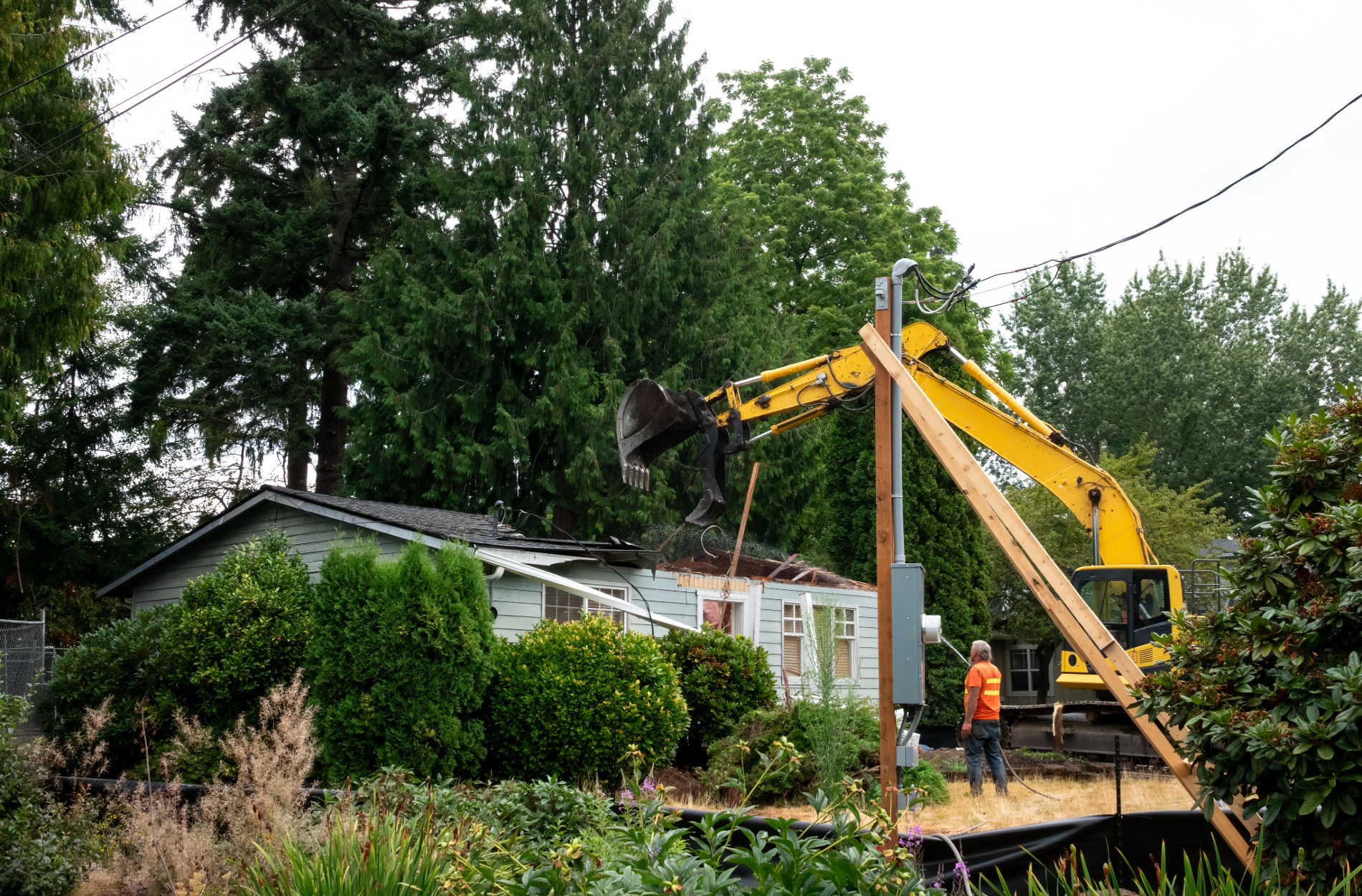
Residential demolition sounds simple until you start thinking about permits, neighbors, and safety. Before a wall comes down or a shed gets hauled away, you need a plan that keeps people safe, keeps the town happy, and keeps your project moving.
This is especially true when work ramps up in spring and summer. Tighter streets, school traffic, soft ground, even holiday parking rules can affect how the job runs. Good planning, the right permits, and professional support help you avoid problems like sudden structural issues, fines from the building department, upset neighbors, and long delays.
Residential demolition services can include:
- Full home demolition
- Interior gut jobs like kitchens, bathrooms, or whole floors
- Garage, shed, deck, or pool removal
- Selective demolition where only certain rooms or areas are removed
These projects are very different from a simple DIY teardown. Walls can be load-bearing, older materials can be hazardous, and hidden utilities can create serious danger. A local, fully insured demolition team that works across Westchester, Putnam, and Dutchess County, and nearby Connecticut towns understands local codes and how weather and seasons affect each job.
Know Your Project Type Before You Call the Pros
The first step is knowing exactly what you want removed. A clear project type helps with safety planning, permits, scheduling, and cleanup.
Common types of residential demolition services include:
- Interior demolition: kitchens, baths, basements, attics, non-structural walls
- Exterior demolition: decks, porches, garages, sheds, pools, retaining walls
- Selective demolition: taking out specific rooms or structural sections while keeping the rest of the home
When you define your scope, your demolition team can suggest the best timing. For example, many homeowners prefer:
- Bigger interior work in colder months, when outdoor projects are harder
- Exterior jobs like deck or pool removal in late winter or early spring, before landscaping work starts
There are times when you should not attempt DIY work at all. You absolutely need professional residential demolition services when:
- You are touching load-bearing walls or beams
- The home is older and may have asbestos or lead paint
- The building is close to neighbors, on a tight lot, or shares a driveway
- The property is near a school, bus stop, or busy street where extra safety controls are needed
A good contractor will ask questions about your home, your goals, and your timeline so the plan matches your real needs.
Residential Demolition Permits, Safety, and Neighbor Checklist
Most towns in Westchester, Putnam, and Dutchess County, and along the Connecticut border require permits for residential demolition services. The exact rules vary by town, but you may need:
- Building or demolition permits
- Sidewalk or road closure permits if work affects the public way
- Utility disconnect permits for gas and electric
- Historic district approvals if your home is in a protected area
Here is a simple permit and planning checklist for homeowners:
- Call or visit your local building department to confirm what permits you need
- Ask about timelines for review and any required inspections
- Gather your property survey, site plan, and past permits if you have them
- Check if you are in a historic district or flood zone that could trigger extra reviews
- If you have an HOA or co-op, confirm their rules and approval process
- Plan for scheduled inspections like pre-demolition checks and final sign-off
It is also smart to ask any contractor for:
- Proof of insurance
- Information about how they handle permit paperwork
- Help coordinating with inspectors and utility companies
Hiring a fully insured demolition company protects you if something goes wrong and helps keep the permit process on track.
Safety planning starts long before equipment shows up. A professional crew should:
- Walk the site to find structural risks and weak areas
- Locate and mark all utilities, inside and out
- Check for hazardous materials like asbestos, lead paint, mold, or fuel tanks
Utility coordination is a big part of safe demolition. Before work begins, a checklist should include:
- Gas shutoff and proper capping
- Electrical disconnect at the meter or panel
- Water and sewer capping as required by the town
- Oil or fuel tank removal steps, if present
On site, you should expect clear safety measures:
- Marked work zones with fencing, cones, and signs, especially near sidewalks or bus stops
- Dust control, such as wetting down materials during removal
- Noise control and reasonable working hours that follow local rules
- Proper protective gear (PPE) like hard hats, gloves, and eye protection, following OSHA guidelines
Your neighbors are part of the safety plan too. Simple steps can make a big difference:
- Let nearby homeowners, tenants, or businesses know the schedule and expected noise
- Plan where trucks and dumpsters will go so you do not block driveways, school routes, or snowplows
- Use covered dumpsters and regular cleanup to avoid scattered debris and unwanted pests that might attract rodents or harm pets and kids
Debris Removal, Dumpsters, and Cleanup Essentials
Demolition does not end when the walls are down. Debris removal is a big part of keeping everyone safe and keeping your project on schedule.
Professional junk removal and dumpster rentals:
- Speed up cleanup so the crew is not working around piles of debris
- Limit trips to the dump
- Keep the work zone clearer and safer for workers and visitors
A smart debris management plan should cover:
- The right dumpster size so it fits on your driveway or designated area
- Safe placement that avoids damage to pavement and does not block sidewalks
- Material sorting where needed, such as metal, concrete, and clean wood
- Compliance with local recycling and disposal rules in New York and Connecticut
Seasonal weather can affect dumpsters as well. In winter and early spring, you want:
- Covers or tarps on dumpsters to limit snow and rain soaking the debris
- Awareness that water and ice can add weight and create slippery surfaces
- At the end of the job, a thorough cleanup should include:
- Sweeping and magnet rolling to remove nails, screws, and sharp scraps
- Picking up broken glass and small debris from yards, decks, and driveways
- Filling low spots or grading the ground where structures were removed, if that is part of the scope
- Leaving the site ready for the next phase, whether that is new construction, renovation, or fresh landscaping
Frequently Asked Questions About Residential Demolition Services
What should I do before hiring residential demolition services?
Before you call, it helps to:
- Define which rooms or structures you want removed
- Take photos and rough measurements of the areas in question
- Know your property lines and any easements
- Check HOA or co-op rules about exterior changes, work hours, and dumpster placement
Prepare a short list of questions about insurance, licensing, timing, permits, and debris handling. A quality contractor will be happy to answer.
Do I need a permit for interior residential demolition?
In many towns, yes. Removing walls, changing structural elements, or doing a large interior gut usually requires a permit, especially in older homes or multi-family buildings. Homeowners in Westchester, Putnam, and Dutchess County should confirm with their local building department and ask their demolition contractor to help with the process.
How long does a residential demolition project usually take?
Timelines vary by project size, but in general:
- Small interior projects may take 1 to 3 days
- Garage or shed removal might take 1 to 2 days
- Larger selective demolition jobs can run from several days to a couple of weeks
Do not forget the extra time needed to secure permits and pass inspections. Weather, frozen ground, heavy rain, or material type can also affect the schedule, especially in late winter and early spring.
How do residential demolition services protect my neighbor’s property?
Professional crews use:
- Barriers and tarps to control dust and debris
- Careful equipment operation, especially in tight spaces
- Daily cleanup of sidewalks and shared driveways
They also carry liability insurance, which helps protect homeowners if a neighboring property is accidentally damaged.
Local Demolition FAQs for Westchester, Putnam, and Dutchess County
Are there special rules for demolition in these counties?
Many towns in this region have stricter rules around:
- Historic district reviews and older homes
- Tree protection and property screening
- Noise limits and approved work hours
- Specific disposal rules for concrete, metal, and hazardous materials
New York and nearby Connecticut towns may handle permits and debris differently, so it is important to work with a contractor who knows the local expectations.
Can my demolition contractor handle permits in NY and CT?
Many professional companies can prepare or submit permit applications, coordinate utility shutoffs, and schedule inspections. Homeowners should still confirm whether permits will be in their name or the contractor’s name, as each town may have its own rules.
What makes a demolition company fully insured and why does it matter?
A fully insured company typically carries:
- General liability insurance in case property is damaged
- Workers’ compensation insurance to cover worker injuries
- Additional coverage related to demolition work
This protects you from being held responsible if someone gets hurt or a nearby property is affected.
When you are ready to move forward with a safe, well-planned home demolition in Westchester, Putnam, and Dutchess County, or nearby Connecticut, a local, family-owned, fully insured team like Demolition Experts NY can help you plan each step. With clear communication, careful permitting, and strong safety practices, your project can start and finish with confidence for you, your home, and your neighborhood.
Get Started With Your Project Today
If you are planning a safe and efficient teardown, Demolition Experts NY is ready to help you navigate every step of the process with our residential demolition services. We handle permitting, site preparation, and debris removal so you can focus on your next phase of construction or renovation. Reach out to us today through contact us to schedule a consultation and get a clear, reliable estimate for your project.

No Comments