


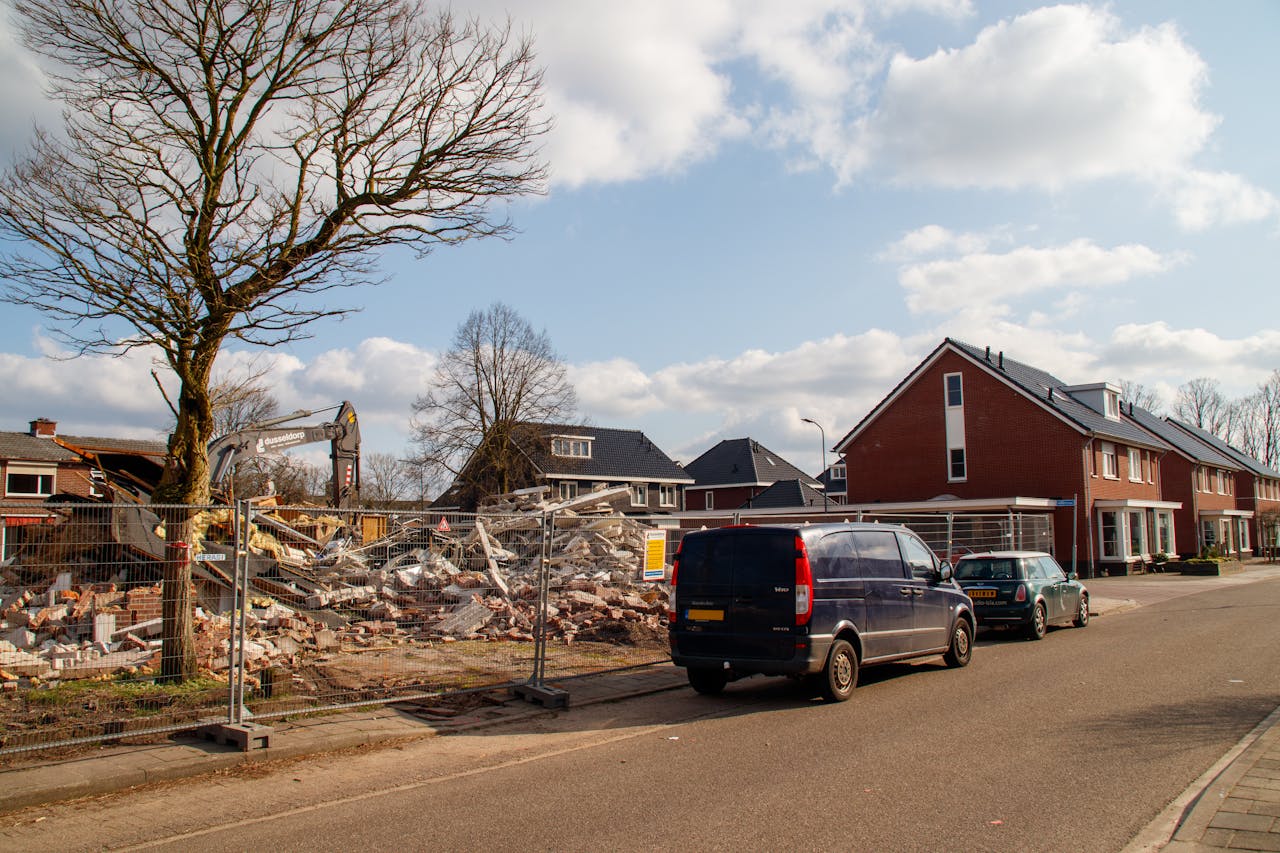
10 Mar When Residential Demolition Makes More Sense Than Remodeling
When Starting Fresh Beats Fixing What You Have Does
Many homes in Westchester, Putnam, and Dutchess counties and nearby Connecticut towns are getting older. Owners deal with the same problems again and again: cracks in walls, water in the basement, drafty rooms, and layouts that simply do not match how families live now. At some point, another quick remodel starts to feel like throwing good money after bad.
Remodeling is usually the first idea, and sometimes it is the right one. But there are times when residential demolition, either full or selective, actually makes more sense. Starting fresh can be safer, more predictable, and a better long-term choice for your property and your peace of mind. Our goal is to help you understand when tearing down all or part of a home can be smarter than pouring more money into patchwork fixes.
Warning Signs Your Home Is Beyond a Simple Remodel
Some homes are simply too far gone for a simple facelift. The trouble is often hiding under the finishes, inside walls, or below the floor. When those deeper issues are serious, trying to remodel around them can be risky and frustrating.
Big structural and safety red flags include:
- A severely cracked or sinking foundation
- Sagging or bouncy floors
- Walls that are badly out of plumb
- Roof framing that is rotted or compromised
- Widespread mold or long-term water damage
When these problems are spread through the whole structure, you are no longer talking about new cabinets or fresh tile. You are talking about opening up large parts of the house, reinforcing framing, and guessing at what else you will find as you go.
There are also hidden system failures that push a house past a simple remodel. Examples include:
- Very old electrical equipment that may not meet current safety standards
- Aging plumbing lines with frequent leaks or clogs
- Septic or drainage systems that are failing
Asbestos, lead paint, or other hazardous materials that need careful removal
On top of that, many older homes have chopped-up layouts, low ceilings, and small rooms. If bringing the home up to current building codes and modern living standards means moving major structural walls, raising ceilings, and rebuilding stairways, the scope can quickly get close to residential demolition anyway.
When Residential Demolition Is the Smarter Investment
When a house has layers of problems, a remodel can turn into a long list of surprises. You open one wall, then another, then another, and every step adds work, permits, and delays. Residential demolition, planned from the start, can sometimes give you more control.
Here is why starting fresh can be the stronger choice:
- You address all structural issues in one clear plan instead of chasing problems room by room
- You can design a layout that fits how you live now, not how people lived decades ago
- Work can often move in a straight line instead of stopping and starting for surprises
Over time, repeated small remodels can add up. Kitchens, baths, additions, patch repairs, and emergency fixes can cost more than tearing down what is not working and rebuilding a home that is safe, efficient, and easier to maintain.
A clean slate can also support better long-term value. A new or fully rebuilt structure usually offers:
- Stronger overall construction
- Better insulation and energy efficiency
- Easier access for modern electrical, plumbing, and HVAC systems
- Features that buyers look for, like open kitchens, larger closets, and more natural light
There is also the human side. A long, drawn-out remodel with constant change orders, noise, and dust wears on everyone. A well-planned demolition, followed by a new build or targeted renovation, can often be more predictable and less stressful.
Full Teardown, Selective Demolition, or Heavy Remodel
Residential demolition is not always all or nothing. It helps to think of three basic options: a full teardown, selective demolition, or a large, structural remodel.
- Full teardown: Removing the entire house structure, often down to the foundation or below, then clearing the site for a brand-new build.
- Selective demolition: Carefully removing parts of the home, such as interiors, unsafe additions, decks, garages, or single rooms, while keeping what still works.
- Heavy remodel: Keeping the general shape of the home but making big changes inside, like moving walls, changing stair locations, and rebuilding kitchens and bathrooms.
Selective demolition often wins when the main shell or foundation is still in good shape, but the inside is dated or damaged. For example, a solid house with bad interior finishes, a rotted porch, and a failing garage might benefit from:
- Interior gut demolition to the studs
- Removal of problem additions
- Tearing down unsafe exterior structures
This creates a clean, safe base for your builder to start fresh inside the existing footprint.
For the best results, a demolition contractor should work closely with your architect and general contractor. Careful planning helps:
- Phase interior and exterior demolition
- Arrange junk removal and dumpster rental at the right times
- Clear debris so builders can move in without delay
That way, demolition becomes the first organized step toward your new space, not a messy problem to work around.
Seasonal Timing and Planning Ahead
In our area, many homeowners want major construction to happen in the warmer months. That means planning for residential demolition needs to start earlier, when you are still wearing a coat.
Late winter and early spring are smart times to review your options, so you have time for:
- Site visits and structural evaluations
- Discussing whether demolition, selective demolition, or remodeling makes more sense
- Securing needed permits and inspections
- Lining up contractor schedules for the busy season
The weather also plays a role. Interior demolition and selective work inside the building envelope can often happen even in colder weather. Full teardowns and heavy exterior work usually go more smoothly when the ground is not frozen, and snow or ice is less of a concern.
Local rules matter too. Many Westchester, Putnam, Dutchess, and nearby Connecticut communities have:
- Specific rules about noise and work hours
- Requirements for tree protection and site fencing
- Guidelines from HOAs or neighborhood groups
Planning ahead gives you time to respect these rules and keep a good relationship with neighbors.
How Demolition Experts NY Makes Residential Demolition Safer
Residential demolition touches structure, utilities, and sometimes hazardous materials, so it should never be treated like simple junk removal. A professional team brings training, planning, and the right equipment to keep people and property safe.
As a family-owned, fully insured demolition company, we focus on:
Clear safety procedures for structural demo
Proper handling and sorting of debris
- Working in line with state and local regulations in New York and Connecticut
Our services are set up to simplify the process for homeowners and builders. We provide:
- Interior and exterior demolition
- Selective demolition for targeted areas
- Junk removal for everything that needs to go
- Dumpster rental tied to the stages of your project
This means fewer gaps between demolition and construction. When the last load leaves, your builder should be looking at a clean, well-cleared site instead of a messy puzzle.
A professional crew also pays attention to the impact on the neighborhood. Sorting, recycling where possible, safe hauling, and clean site practices help protect nearby properties as well as your own.
FAQs About Residential Demolition for Homeowners
How Do I Know If Residential Demolition Is Better Than Remodeling My Home in Westchester or Putnam County?
If your Westchester, Putnam, Dutchess, or Connecticut home has major structural problems, widespread water or mold damage, outdated systems throughout, or a layout that would need major structural changes, it is time to compare a full or partial residential demolition to a heavy remodel. A site visit from qualified demolition and construction pros is the best way to understand your options.
Is Residential Demolition in New York Cheaper Than Renovation?
Not always. Sometimes a focused remodel is the better choice. Residential demolition in New York or Connecticut tends to make more sense when a renovation would require opening up most of the house anyway or when there are many unknowns that could increase costs and time during a traditional remodel.
How Long Does Residential Demolition Take for a Typical House in Westchester, Putnam, or Dutchess County?
Timing depends on the size of the home, access, local rules, and whether it is a full teardown or selective demolition. The actual residential demolition work is often quicker than most people expect, but planning, permits, and inspections in Westchester, Putnam, Dutchess County, and Connecticut add time and should be built into your overall schedule.
Residential Demolition Permits and Approvals in NY and CT
Most towns in New York and Connecticut require residential demolition permits, utility shutoff approvals, and sometimes site plans or engineering documents. In some areas, there are extra rules for historic properties or certain neighborhoods. A professional residential demolition contractor can help you understand what your specific town requires.
Can I Stay in My Home During Partial or Selective Demolition?
For small, isolated areas, it may be possible, but it is often noisy, dusty, and disruptive. For larger selective demolition or structural residential demolition work, you may need to be out for safety and comfort. This is something to discuss in detail during planning with your demolition contractor and builder.
Where Does Debris Go After Residential Demolition?
Residential demolition debris is loaded, hauled, and taken to approved facilities. Materials are sorted, and items that can be recycled are separated when possible. The goal is to leave you with a clean, cleared area that is ready for the next phase, whether that is a remodel or a brand-new home.
How Selective Residential Demolition Helps Remodel Older Homes
Selective residential demolition allows contractors to remove outdated interiors, unsafe additions, garages, or decks while preserving a solid structure or foundation. This approach is common in older homes across Westchester, Putnam, Dutchess County, and nearby Connecticut, where homeowners want a modern layout without a full teardown.
What Should Homeowners in Westchester and Connecticut Look for?
Homeowners should look for a fully insured residential demolition contractor with experience in local New York and Connecticut regulations, strong safety procedures, proper debris handling, and the ability to coordinate selective demolition, junk removal, and dumpster rental with the rest of the project.
Plan Your Safe, Stress-Free Demolition Today
If you are ready to clear the way for your next project, our team at Demolition Experts NY is here to help you handle every detail safely and efficiently. Whether you need full structure removal or selective residential demolition, we tailor our approach to your property, budget, and timeline. Tell us about your goals and any site concerns, and we will provide a straightforward plan and transparent quote. Get in touch today through our contact us page to schedule your consultation.

Sorry, the comment form is closed at this time.