


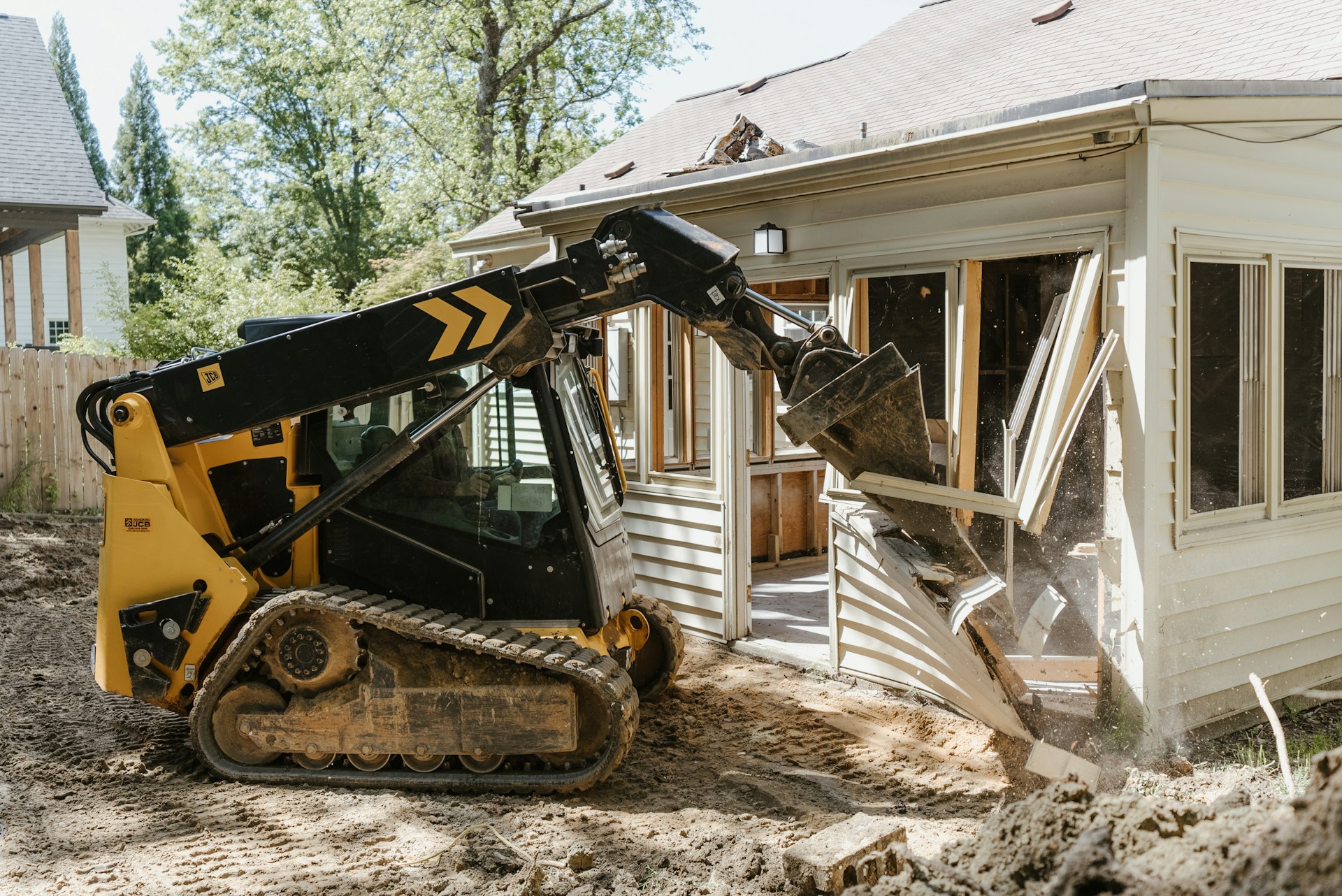
29 Mar Maximizing Space With Residential Demolition in Older Homes
Unlock More Living Space in Your Older Home
Older homes across Westchester, Putnam, Dutchess County, and nearby Connecticut have a lot of charm, but they also come with tight halls, small rooms, and layouts that do not fit how we live now. You may have a formal dining room you never use, a chopped-up first floor, or a basement that turned into a catch-all storage zone. All of that space is inside your existing walls, but it may not be working for you.
Thoughtful residential demolition can change that. By carefully removing the right walls, built-ins, and outdated features, you can open your floor plan, bring in more natural light, and turn old, unused corners into real living space. As a fully insured, family-owned demolition company that works throughout this area, we know the quirks of local homes and how local permitting works. Early spring is also a smart time to plan interior changes, since you can demo now and be ready for build-back during the warmer months.
How Residential Demolition Transforms Older Layouts
Residential demolition is not always about tearing a whole house down. In older houses, it is often more about reshaping what you already have. There are a few main types:
- Full residential demolition (taking a structure down to the foundation or clearing it completely)
- Interior demolition (removing finishes and features inside, while keeping the exterior)
- Selective demolition (targeting specific walls, rooms, or features and leaving the rest)
For many homeowners, interior and selective demolition are the tools that unlock more space. Examples include:
- Removing non-load-bearing walls between a small kitchen and dining room
- Taking down a wall between a living room and a dark den
- Pulling out old built-in cabinets that eat up floor space
- Removing unused fireplaces or chimney chases that break up rooms
- Opening enclosed porches so they tie into the main living area
As you open things up, you often discover hidden potential. A cramped galley kitchen can become a bright, open cooking and gathering space. Two small, awkward sitting rooms can turn into one large family room that actually fits everyone. Closed-off attics or basements can be stripped back to the framing and made ready for future offices, gyms, or guest suites.
Older homes also bring special safety concerns. Before any wall comes down, a professional demolition team should help check:
- Which walls are load-bearing and must be supported
- Where electrical and plumbing lines run
- Whether there could be materials like asbestos or lead paint
- Any signs of past water damage or structural weakness
This is not work to guess at or take lightly. A professional demolition company reads the structure, follows local rules, and removes materials in a safe, controlled way.
Planning a Space-Maximizing Demo Project
Good planning is what turns a messy layout into a home that finally fits your life. Start by getting clear on your goals. Many homeowners in older houses are looking for:
- Open-concept living between the kitchen, dining, and family room
- A larger primary suite with more closet space and a modern bathroom
- Space for multi-generational living, like a finished basement or attic
- A better flow from entry to the rest of the home
Share your goals with your general contractor and demolition team so everyone is on the same page. Together, you can decide what stays, what goes, and what needs to be protected.
In Westchester, Putnam, Dutchess County, and nearby Connecticut towns, permits and inspections are a big part of any demolition project. Local codes can affect:
- Which walls you can remove
- Fire and egress rules for basements and attics
- How debris must be handled and disposed of
- When inspectors need to visit before work continues
A demolition company that works in these areas often can help guide you through permits and timing so you are not held up halfway through.
Spring is a practical season to get interior demolition done. Many people like to complete the “loud and dusty” part first, then move into framing, electrical, and finish work as weather warms up. Lining up dumpster rentals and junk removal ahead of time also keeps the project on schedule and limits piles of debris in your driveway or yard.
Smart Demolition Strategies for Key Home Areas
Different parts of an older home call for different demolition approaches.
Kitchens and dining rooms
Kitchens in older houses are often boxed in and cut off. Smart demolition might include:
- Removing a wall between the kitchen and dining room
- Taking out soffits that lower the ceiling and make the room feel tight
- Removing old pantry closets to make room for a better layout
- Demoing worn cabinets, tile, and flooring so you can start fresh
Basements, attics, and garages
These spaces can do much more than store holiday boxes. Selective demolition can:
- Clear out old paneling, dropped ceilings, and makeshift partitions
- Remove built-in storage that no longer works
- Expose the structure so you can plan for insulation, wiring, and egress
- Prepare the space for offices, playrooms, gyms, or guest rooms
Bathrooms and bedrooms
Older bathrooms and bedrooms are often small and chopped up. Careful demolition can:
- Open a wall to combine a tiny bathroom with a nearby closet
- Remove a wall between two small bedrooms to create a larger main bedroom
- Rework closet layouts without touching key structural walls
Through all of this, it is still possible to keep the character you love. Many homeowners want to save items like original trim, doors, or a special staircase. A careful demolition crew can protect those details while clearing what no longer serves you.
Safe, Clean, and Efficient Residential Demolition
One big fear with residential demolition is mess and disruption. A good crew plans for that from day one. Common protection steps include:
- Plastic barriers and zipper doors to keep dust inside the work area
- Floor coverings on stairs and hallways
- Careful removal of debris to avoid damage to finished areas
- Staged demolition so your home remains as livable as possible
Dumpster rentals and junk removal also make a big difference. When you are opening up an older home, you often want to get rid of:
- Old furniture and broken storage units
- Worn carpets, tile, and paneling
- Outdated fixtures, cabinets, and doors
- General clutter that has built up over the years
Having the right size dumpster on site, along with a team that handles the heavy lifting, means you are not stuck making endless dump runs on your own.
Insurance and licensing are also key. With a fully insured, family-owned company like Demolition Experts NY, homeowners gain another layer of protection and accountability. Respect for your home, your time, and your neighbors should guide how work is planned and carried out.
FAQs About Residential Demolition in Older Homes
How Can Residential Demolition in Older Homes Maximize Space?
By opening walls, removing unused features, and reworking tight rooms, you can make better use of the square footage you already have. Many homeowners find that once a few key barriers are removed, rooms feel larger, brighter, and more flexible, without building out.
What Should I Know About Residential Demolition in Historic Homes in Westchester and Nearby Counties?
Older and historic homes often need extra care. Structural reviews, checks for asbestos and lead paint, and plans for saving unique details all matter. A professional residential demolition contractor in Westchester, Putnam, and Dutchess County can remove what needs to go while keeping the character you want to protect.
How Long Does Interior Demolition Take in an Older Occupied Home?
Timelines depend on the size of the project. A single kitchen or bathroom demo might be finished in a short period, while a whole-floor interior demolition can take longer. Clear schedules, dumpster planning, and good access help keep work moving.
Is Residential Demolition Noisy or Messy, and Is My Home Protected?
There will be noise and dust, but a professional crew limits how far that spreads. Dust barriers, floor coverings, daily cleanup, and smart debris handling all help your family and neighbors feel less impact.
Do I Need Permits for Residential Demolition in Westchester, Putnam, or Dutchess County, NY?
In many towns, yes. Permits are often required for removing walls, changing layouts, and doing structural work. Rules can vary by county and by town, so it helps to work with a residential demolition company that understands local codes and helps organize the right paperwork.
How Do I Choose a Residential Demolition Contractor in Westchester?
Look for a fully insured, licensed demolition contractor with experience in older homes, knowledge of local permitting, and positive reviews. Ask about their process for dust control, debris removal, and protecting finishes you want to keep.
Take the First Step Toward a More Spacious Home
One of the best ways to start is to walk through your home like a “space hunter.” Look for walls that block light, rooms you rarely use, and features that only collect dust. Those spots often point to where residential demolition can have the biggest impact.
Homeowners across Westchester, Putnam, Dutchess County, and nearby parts of Connecticut are finding that the space they need is already inside their homes, hidden behind a few walls and outdated features. With thoughtful planning, professional demolition, junk removal, and dumpster rentals, you can clear the way for a layout that finally fits how you live now and how you want to live in the years ahead.
Get Started With Your Project Today
If you are planning a safe, efficient residential demolition, we are ready to guide you through every step. At Demolition Experts NY, we evaluate your property, permits, and timeline so the work is done correctly and on schedule. Tell us about your goals and any concerns, and we will provide a clear, tailored plan. Reach out through our contact us page to schedule your consultation.

Sorry, the comment form is closed at this time.