


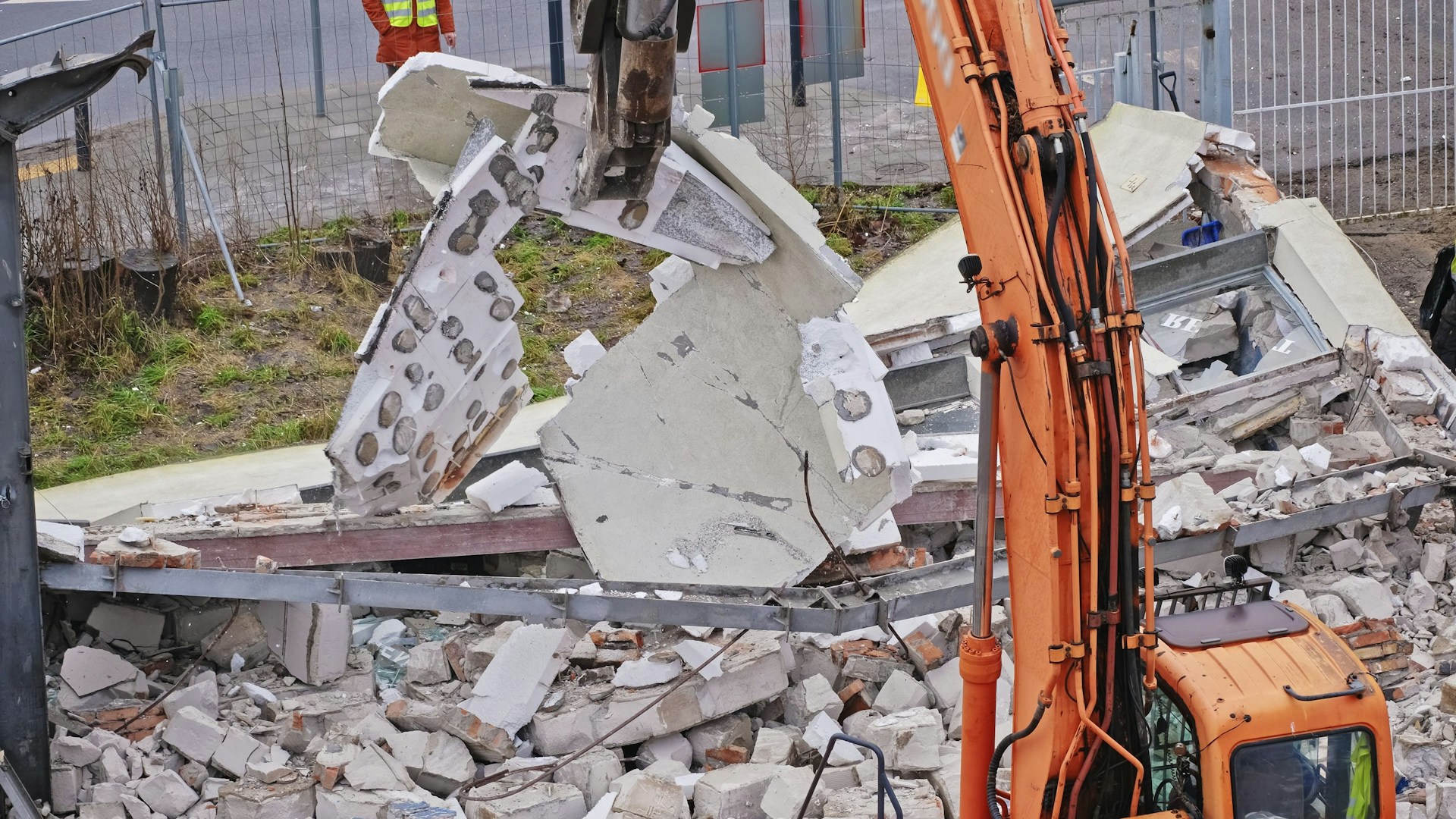
05 Apr Spring Exterior Tear-Downs: Deck, Shed, Fence, Garage Demo and Site Prep
Start Spring Projects with a Safe, Clean Tear-Down
Spring is the perfect time to clear out old exterior structures so your fresh projects have room to shine. Getting rid of a failing deck, leaning fence, broken shed, or outdated detached garage early in the season makes space for new outdoor living areas, safer play space, and better curb appeal.
Professional residential demolition services help protect your yard, utilities, and nearby homes in a way most DIY tear-downs cannot. There are hidden wires, gas lines, concrete footings, and structural details that are easy to miss. A careful plan keeps people, pets, and property safe from damage.
We are a local, family-owned, fully insured demolition company serving Westchester, Putnam, Dutchess County, and nearby Connecticut, and we see these spring projects every year. In this article, we will walk through permits, planning, prep work, how the actual demolition usually goes, debris disposal, and timing tips so your spring projects start off right.
Planning Your Exterior Demolition This Spring
The first step is deciding what should go. Walk your property with a notebook and look for:
- Wood decks with soft or sagging boards
- Railings that wobble when you lean on them
- Fences that lean, have missing sections, or rotting posts
- • Sheds or garages with roof leaks, broken doors, or shifting walls
Old or damaged structures can be a safety risk and can affect the way your home looks. Residential demolition services can check how stable each structure is and spot hazards that are easy to overlook, like:
- Old electrical feeds to sheds and garages
- Lead paint on older buildings and trim
- Possible asbestos in certain siding or roofing materials
- Hidden fuel, chemicals, or other unsafe items stored inside
Spring adds a few special factors. The ground is usually thawed and easier to work on, and many people want decks and yards ready before outdoor parties and holidays. It also helps to plan around landscapers, painters, or other contractors so nobody is working on top of one another.
Budget planning starts with basic details such as size, access, materials, and any utilities tied into the structure. Selective demolition, where only part of a deck or building comes down, can take more planning than a full removal because the remaining structure must stay safe and secure.
Permits, Utilities, and Neighbor Notifications
Most towns in Westchester, Putnam, Dutchess County, and nearby Connecticut have some type of permit rules for decks, sheds, fences, and garages. Sometimes you need a permit to remove a structure, sometimes only to build a new one, and sometimes small sheds or short fences fall under permit exemptions.
A professional demolition contractor can help you sort out what your specific town requires. That often means:
- Checking local code rules for each structure type
- Preparing simple drawings or notes if needed
- Confirming whether a permit is required for removal
- Keeping records so you have proof of proper demolition
Utility safety is a big part of planning. Before any tear-down, it is important to:
- Locate and mark underground lines and pipes
- Disconnect or cap electrical feeds to sheds and garages
- Make sure gas lines are shut and safe
- Watch out for water lines, sprinkler systems, and buried cables
In tight suburban neighborhoods, giving neighbors a heads-up goes a long way. Let them know:
- The planned dates and general hours of work
- Where trucks and dumpsters will be placed
- If a shared fence is involved and how that will be handled
A little early communication helps prevent noise complaints and property line disputes later.
Prep Steps for Decks, Fences, Sheds, and Garages
Good prep makes the actual tear-down smoother and cleaner.
For decks, the prep often includes:
- Clearing off grills, furniture, planters, and storage boxes
- Detaching railings, stairs, and loose trim pieces
- Identifying where the ledger board connects to the house
- Protecting siding, doors, and foundations from falling debris
Fence prep has its own checklist. Before removal, it helps to:
- Confirm property lines or review a recent survey
- Talk through any shared fence sections with neighbors
- Remove gates, latches, and hardware
- Plan a temporary barrier if you have kids or pets that use the yard
Professional residential demolition services will stage tools and equipment so they protect your lawn and plantings. This might involve using boards or mats for machinery, keeping debris in a controlled area, and managing dust and small scraps as they go.
Common surprises that pop up during spring tear-downs include:
- Hidden rot inside posts or beams
- Insect activity in old wood
- Large buried concrete footings that were never removed
- Unexpected wiring or piping inside garages and sheds
A professional crew knows how to handle these safely without turning your yard into a big mess.
Safe Demolition, Dumpster Rentals, and Site Cleanup
Shed and garage demolition can be more complex than a deck or fence. These structures often include:
- Roof systems that must come down in a safe order
- Overhead or rolling doors under tension
- Old gas, paint, fertilizer, or fuel stored inside
- Lighting, outlets, or heaters that tie into your home’s electrical system
A typical sequence for a shed or detached garage demolition looks like this:
- Empty and sort contents, setting aside hazardous materials
- Disconnect and secure all utilities
- Remove roofing so heavy sections do not fall in large pieces
- Take down walls and framing in planned sections
- Evaluate the concrete slab to see if it should stay or go
- Rough grade the area so it is ready for the next step
Debris does not all go to the same place. Crews usually separate:
- Clean wood
- Treated or painted wood
- Metal and hardware
- Masonry and concrete
Some items can be recycled, and certain materials must go to specific disposal sites.
Dumpster rentals can make this process faster. Full-service demolition with built-in dumpster service means fewer trips off-site, simpler junk removal, and less time spent dealing with loose piles of debris. For example:
- A small deck or shed may only need a small dumpster
- A full garage tear-down or multiple structures may require a larger size
Good waste management keeps costs under control and is easier on the environment. Sorting reusable lumber, recyclable metal, and clean fill helps avoid throwing everything in the same pile.
At the end, site cleanup is just as important as the demolition itself. A careful crew will:
- Sweep for nails and screws, especially near driveways and walkways
- Remove large roots or concrete chunks that could be trip hazards
- Smooth and grade rough areas so water drains away from the house
- Leave the site ready for new decks, patios, sheds, or lawn restoration
Using insured residential demolition services gives you peace of mind that your property will be safe for the next contractor or your own outdoor projects.
Spring Demolition FAQs for Hudson Valley Homeowners
FAQ: Do I really need a permit to remove my old deck or shed?
Requirements vary by town, and rules can change, so it is always smarter to ask your local building department first. Some areas require permits for both removal and replacement, while others only care about the new build.
FAQ: How long does deck, fence, shed, or garage demolition usually take?
Many smaller projects can be handled in a short period of time, while larger garages or multiple structures may take longer. Access, weather, and unexpected issues like hidden rot or utilities can change the schedule.
FAQ: Can I keep my concrete slab for a future project?
Sometimes a slab can stay if it is in good shape, drains correctly, and fits your future plans. A demolition pro can look for cracking, heaving, pitch, and thickness to help you decide if it should be reused or broken up and removed.
FAQ: Is spring weather a problem for demolition?
Light rain often is not a big issue, but heavy rain and mud can slow things down and make yards harder to protect. Crews may use boards, mats, and careful equipment placement to keep ruts and damage to a minimum.
FAQ: What should I do with the stuff inside my shed or garage before demolition?
Sort items into keep, donate, trash, and hazardous piles. Many demolition companies can bundle junk removal with the tear-down so old furniture, scrap, and non-hazardous clutter go straight into the dumpster and off your to-do list.
Choosing the Right Residential Demolition Partner
When you are ready to clear out old exterior structures, choosing the right contractor makes a big difference:
- Current licensing where required and proper insurance
- Local experience with Hudson Valley and nearby Connecticut codes
- Clear written estimates with what is included and what is not
- References or photos from similar residential projects
It also helps to work with a company that can handle demolition, junk removal, and dumpster rentals together so you are not juggling several vendors. Ask questions about safety practices, what equipment they plan to bring, how they will protect lawns and driveways, and what their recycling and disposal habits look like.
As a family-owned, fully insured company, Demolition Experts NY focuses on exactly these types of residential exterior tear-downs, from permit guidance to final cleanup, so your yard is ready for whatever you want to build next.
Get Started With Your Project Today
If you are planning a teardown, renovation, or full-site rebuild, our team at Demolition Experts NY is ready to help you move forward safely and efficiently. Learn how our residential demolition services can be tailored to your property, schedule, and budget. Tell us about your project and timelines so we can provide a clear, no-pressure estimate and plan. Have questions or need to book a walkthrough? Just contact us to get started.

Sorry, the comment form is closed at this time.