


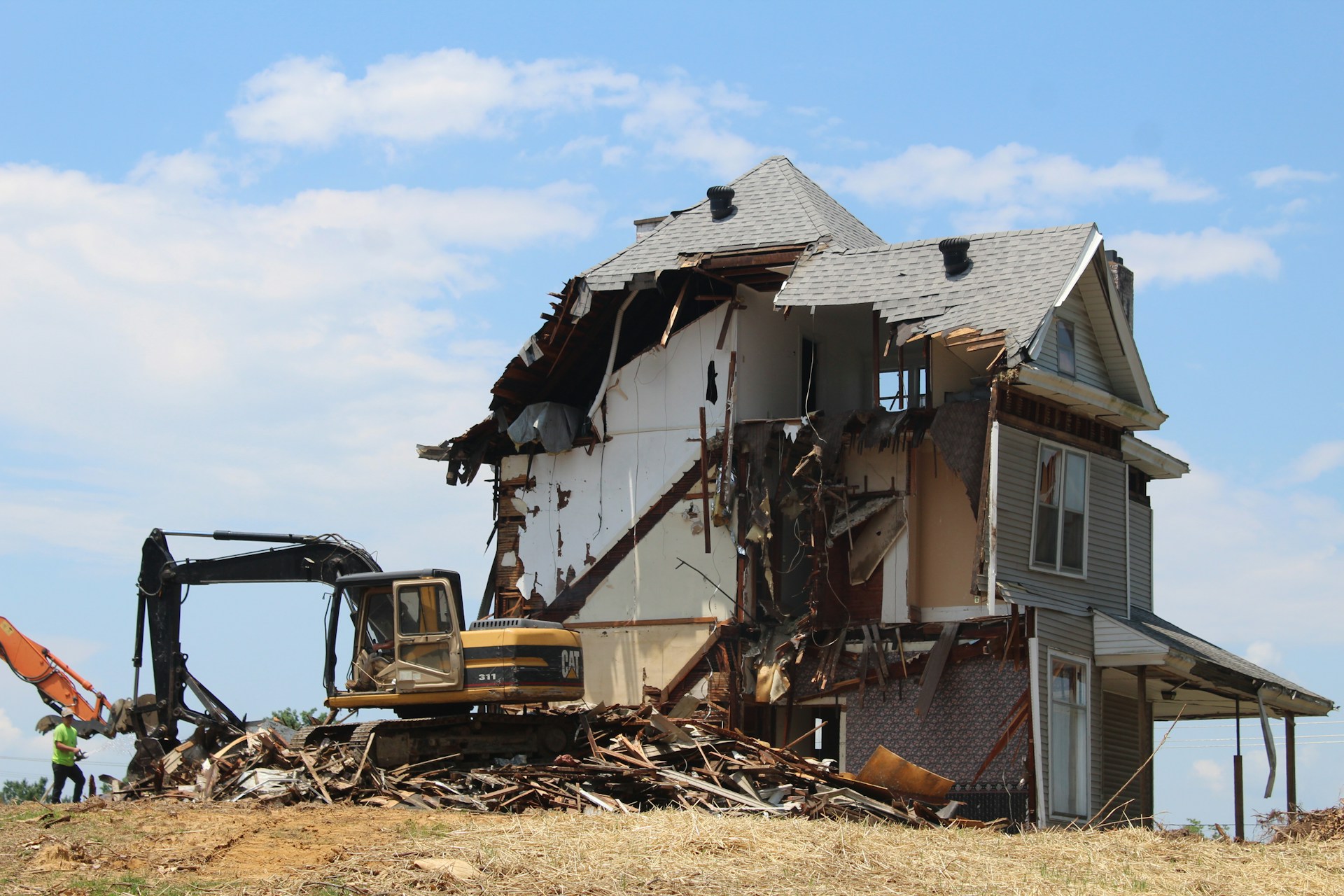
19 Apr Residential Demolition Walkthrough: What Homeowners Can Expect Each Day On-Site
What a Professional Demolition Day Really Looks Like
Residential demolition sounds messy and loud, but a good project runs on a clear routine, not chaos. Once you have a signed contract, permits in place, and a dumpster on the schedule, the next question is what actually happens at your home each day. Knowing the daily flow helps you feel in control and less stressed.
We handle interior and exterior residential demolition across New York and nearby Connecticut, and the rhythm is usually the same. There is a calm start, controlled work in the middle, then cleanup and a reset before the crew leaves. Spring is a popular time to start, since the weather makes it easier to open up areas, prep for additions, and gut older interiors, but this daily pattern works all year long.
First Morning on Site: Crew Arrival and Setup
On the first day, expect the crew to arrive during a set morning window, often around the same time you would expect other trades. A site supervisor or foreman will introduce themselves, explain who is on the team, and let you know who your main contact is while work is going on.
Before any walls come down, there is a short safety and planning check. That usually includes:
- Reviewing the demolition plans and scope
- Confirming which rooms or structures are included
- Verifying utilities are shut off or made safe (electric, gas, water, oil)
- Double-checking access points and parking
Vehicles and dumpsters are placed where they are safe and practical. The crew may lay down plywood or boards to protect your driveway and walkways. Equipment is positioned away from landscaping, fences, and neighboring homes as much as possible, especially in tighter Westchester and Putnam neighborhoods.
If you live in a community with an HOA or close neighbors, a professional residential demolition contractor will respect working hours, parking rules, and noise limits. You will often see clear planning in how trucks park, where debris is loaded, and how your street is kept open.
Building Safe Zones, Containment, and Access Paths
Next, the crew sets clear safety zones. This helps keep everyone, including you and your family, out of harm’s way. Outside, you may see cones, caution tape, or temporary fencing. Inside, there will be clear signs of where the work area starts and where it ends.
Typical steps include:
- Plastic sheeting and zip walls to close off work rooms
- Floor protection on main walkways, often from the front door to the work area
- Marked or taped “no entry” zones
- A designated path for carrying debris out of the house
Stairways, basements, and tight hallways get special attention. Crews cover railings, pad corners, and plan the route to remove heavy materials without scraping up walls or damaging trim. If your home has narrow halls, the team may cut materials into smaller pieces to get them out safely.
If children, pets, or home offices are nearby, talk with the supervisor on day one. Together you can plan:
- Which doors stay locked or blocked
- Where pets should stay during noisy work
- Quiet windows for conference calls or online school
Good containment and clear paths protect both your house and your daily routine.
Dust, Noise, and Vibration Control You Can Expect
Demolition always creates dust and noise, but it should be controlled, not wild. Inside the home, crews will often seal off vents in the work area, set up plastic barriers, and use equipment like air scrubbers or negative air machines to pull dust out of the air. For certain tasks, they may lightly mist materials so particles do not spread as much.
Noise levels depend on the type of residential demolition:
- Interior demo like kitchen or bathroom gut jobs: steady banging, cutting, and hauling
- Exterior demo like decks, garages, or small additions: louder impacts and machine noise
- Saw cutting or breaking concrete: short bursts of higher noise and vibration
If you or your neighbors work from home, the supervisor can often group the loudest work into shorter windows. It might not be silent, but a plan can make it more predictable.
In older homes, townhomes, or houses that sit very close together, vibration is a real worry. A careful crew will choose methods and tools that limit shaking, especially around shared walls and older foundations. They may avoid heavy impacts near fragile areas and use hand tools where needed.
You can usually stay in part of the house during an interior residential demolition, as long as the work area is sealed. However, on very dusty or heavy demo days, some homeowners choose to be off-site for comfort and air quality, especially if anyone has allergies or breathing issues.
Daily Cleanup, Debris Hauling, and Site Reset
A well-run job does not end the day in a pile of clutter. Near the end of each workday, the crew shifts from demolition to cleanup and reset. That daily reset matters a lot for safety and peace of mind.
End-of-day cleanup usually includes:
- Tools unplugged and stored safely
- Walkways cleared of loose debris and tripping hazards
- Sharp scraps, nails, and broken materials removed or swept up
- Debris loaded into the dumpster or neatly staged for the next haul
For selective demolition, where only certain items are removed, materials might be sorted as they go. Some things are kept for reuse by your remodeler, some may be set aside if you want to save them, and the rest is loaded as trash. Full gut jobs create more volume, so dumpsters are monitored to avoid overflow and property damage.
Throughout the project, the crew will keep protecting finishes that are staying. That can mean re-taping floor protection, re-covering cabinets, or padding doorways that still see traffic. If you include junk removal, such as old furniture or stored items, those will be handled and loaded in a controlled way, not just tossed on top of demo debris.
Final Day Walkthrough and Handoff to Your Next Contractor
On the last day of residential demolition, the focus shifts from tearing out to confirming everything is ready for the next phase. The crew finishes any remaining removal, then checks that all items listed in the scope are gone and that anything marked to stay is untouched.
A final punch list usually includes:
- Verifying all agreed walls, fixtures, and finishes are removed
- Making sure structural elements are left as planned
- Confirming utilities are safely capped or clearly marked
- Checking that access points for the next contractor are clear
Then comes the walkthrough. You, the site supervisor, and often your general contractor or remodeler will walk the space together. This is the time to review site conditions, talk about any hidden issues that were uncovered, and confirm that everything matches the plan.
You may also receive:
- Photos of the finished demo areas
- Notes about any unexpected conditions your next contractor should know about
- Documentation related to debris disposal if you need it for permits or insurance
A clean, organized handoff makes the build or remodel smoother, especially as schedules fill up in spring and summer.
FAQs: Residential Demolition Questions New York Homeowners Ask
How Long Does Residential Demolition Take in Westchester County?
Timelines for residential demolition in Westchester County and nearby New York communities vary by size and complexity. A single bathroom or small kitchen demolition is usually measured in days, while larger interiors or whole-house guts can take longer. Your residential demolition contractor will give you a project-specific estimate once they see your home and understand the full scope.
Can You Stay in Your New York Home During Interior Demolition?
Many New York homeowners stay in part of the home during interior residential demolition, especially for smaller or selective demolition projects. For large interior gut jobs or full-house residential demolition, it may be more comfortable to be off-site, at least during the dustiest and noisiest days.
Residential Demolition Permits and Inspections in NY and CT
Local building departments set permit and inspection rules for residential demolition in New York and Connecticut, and they can be different from town to town. Professional residential demolition contractors are familiar with local requirements in places like Westchester County, Putnam County, and nearby Connecticut communities, and can explain what is needed for your specific project and often handle the permit process for you.
How Residential Demolition Pricing Works in Westchester County
Residential demolition pricing in Westchester County and the surrounding New York area is usually based on size, access, materials, disposal needs, and how detailed the scope is. Costs can change if hidden issues appear, such as unexpected framing problems, extra layers of material, or hazardous conditions (like asbestos or lead) that were not visible during the first visit.
What If Asbestos, Lead Paint, or Mold Is Found in NY Demolition?
If suspected asbestos, lead paint, or significant mold appears during residential demolition in New York, work in that area usually pauses for safety. Testing and remediation are handled by licensed specialists, and once the space is cleared, demolition can continue under the updated plan. Knowing this can happen helps you stay calm if something unexpected shows up behind the walls.
Get Started With Your Project Today
If your property is ready for safe, code-compliant removal, our team is prepared to plan and execute every step with precision. At Demolition Experts NY, we bring years of experience to each residential demolition project so you can move forward with confidence. Tell us about your timeline, site conditions, and goals, and we will provide a clear plan and straightforward pricing. Ready to begin planning your teardown or site preparation project? Just contact us today.
Sorry, the comment form is closed at this time.