


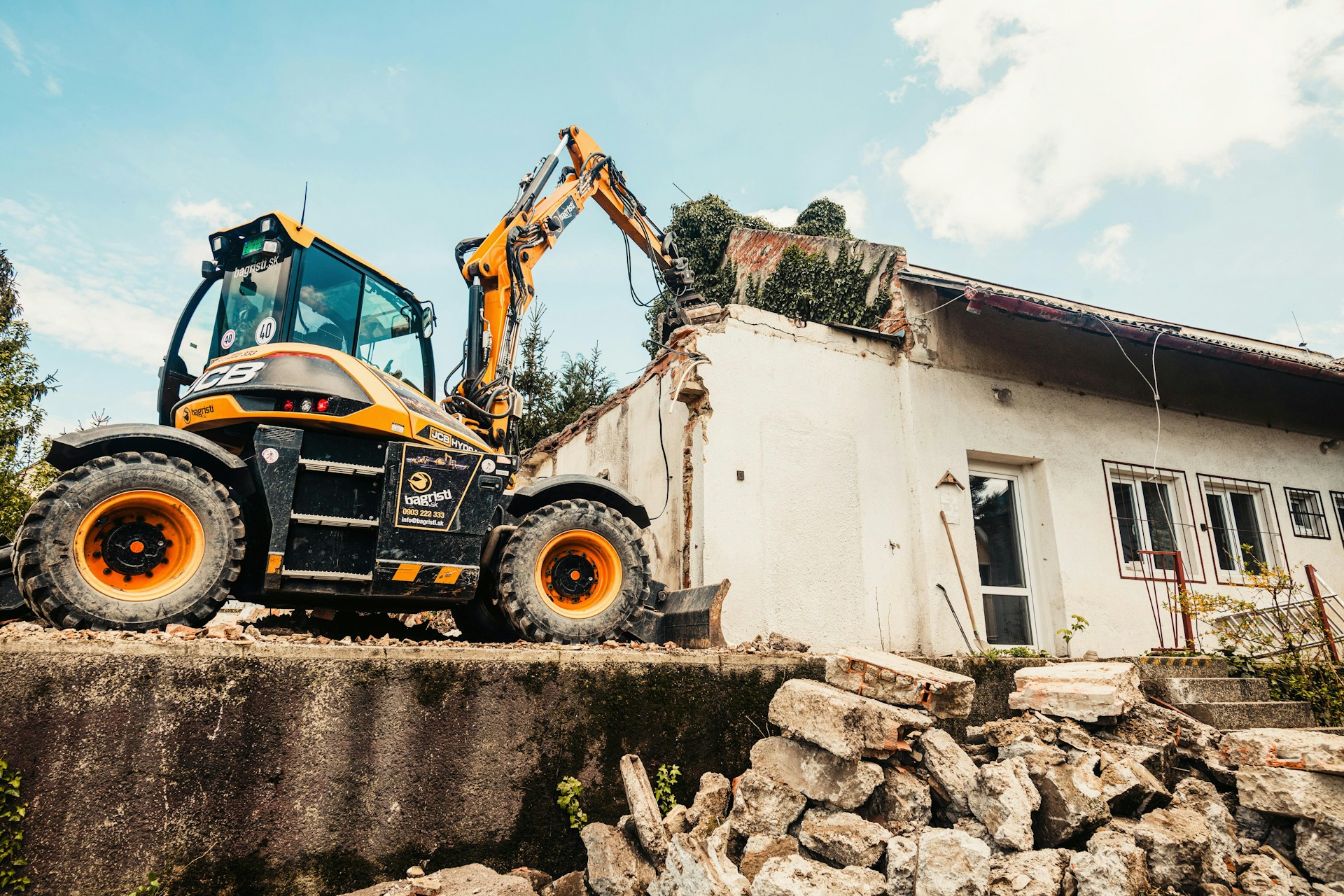
03 May Common Residential Demolition Mistakes That Delay Your Remodel
Avoid Remodeling Delays with Smart Demolition Planning
Residential demolition is the first real swing of the hammer in your remodel, and it sets the tone for everything that comes after. If demolition goes wrong, the rest of the project usually slows down or stops. Walls stay open, trades get pushed back, and your carefully planned timeline starts to slide.
Most homeowners have a target date in mind. Maybe you want the kitchen done before summer entertaining, a new bathroom ready before school starts, or a finished basement before family gatherings. When demolition runs into problems, those goals are often the first thing to go.
With smart planning and the right team, many of these headaches never happen. As a local, family-owned, fully insured demolition company serving Westchester, Putnam, and Dutchess counties, we see the same avoidable mistakes over and over. Here are the common residential demolition issues that delay remodels and how to stay ahead of them.
Hidden Hazards That Bring Your Project to a Halt
One of the fastest ways to shut down a remodel is to hit a hidden hazard halfway through demolition. Older homes, which are common in our area, can hide materials that need special handling.
Common problem hazards include:
- Asbestos in floor tiles, pipe wrap, ceiling tiles, and old adhesives
- Lead paint on trim, doors, and older walls
- Mold behind drywall, under bathrooms, or in damp basements
If demolition starts without checking for these, your project can be stopped until licensed abatement or remediation is done. That pause might add weeks to your schedule.
A smart approach is to:
- Have a pre-demolition inspection, especially in older houses
- Test suspect materials before anyone starts tearing things out
- Bring in licensed asbestos or lead abatement pros when required
Professional demolition crews know the hot spots where hazards like to hide, such as behind old tile, under vinyl flooring, around old pipes, and in boiler rooms. When those materials are found early, we can plan safe, compliant removal so the remodel keeps moving instead of stalling.
Permits, Utilities, and Inspection Mistakes That Cost Time
Paperwork and prep may not be the fun part of a remodel, but skipping them is a quick way to lose time. Every town and city in New York has its own rules, and they take them seriously.
Some permit and utility mistakes that slow projects:
- Starting interior demolition without the required permits
- Misreading what work is allowed under a minor permit
- Not shutting off or capping gas, electric, water, or oil lines before the demo
Stop-work orders and fines are bad enough, but the bigger problem is time. Getting back on the schedule once a project has been shut down can be tough.
Utilities are just as important. Active gas lines, live wires, pressurized water lines, and buried oil tanks can be damaged during demolition. That can cause:
- Safety hazards for everyone on site
- Emergency calls to utility companies
- Extra inspections and repairs that drag out the job
Inspections and documentation matter too. Many building departments, and some insurance carriers, expect final sign-offs, debris tickets, and photo records before they approve the next phase. When those pieces are missing, your remodel can sit in limbo while paperwork catches up.
Selective Demolition and Structural Surprises
Not all demolition is about ripping everything out. In a remodel, most of the time you only want to remove what truly needs to go. This is called selective demolition, and getting it wrong is a big source of delays.
Over-demolishing happens when someone removes:
- Load-bearing walls or key supports
- Structural framing that was meant to stay
- Mechanical systems that were supposed to be reused
Once that happens, your contractor may need an engineer, new drawings, and extra framing work before anything else can continue. That can turn a simple remodel into a much longer project.
On the other side, under-demolishing can be just as slow. Leaving behind:
- Old subfloors that are not flat or solid
- Damaged or moldy framing
- Outdated wiring or plumbing that should have been removed
All of that leads to surprise change orders later. Your remodeler has to stop, tear more out, and then re-start, which throws off the schedule.
Experienced residential demolition crews work closely with designers and remodelers. Before demo starts, everyone walks the space, marks what stays and what goes, and protects the structural and mechanical elements that need to remain. That teamwork keeps you from having to redo work in the middle of the project.
Debris, Access, Scheduling, and DIY Risks
Even if the inside work is planned well, simple logistics outside can slow your remodel to a crawl. Debris, access, and timing matter more than most people think.
Common jobsite issues include:
- No clear plan for where dumpsters can sit
- Tight driveways or steep slopes that make access tricky
- Street parking rules or HOA restrictions on dumpsters and work hours
If debris piles up and dumpsters are missing or placed poorly, every trade gets slowed down. Crews spend their time stepping around trash instead of working. Planning dumpster rental and junk removal around demolition day helps keep the space clear so build-back can start right away.
Seasonal timing plays a part too. In our part of New York, spring can bring rain and mud. That can affect outdoor access for machines and trucks and can also slow cleanup. As the weather warms up, contractor calendars fill fast, so if demolition runs late, it can be harder to get your remodel crew back on site exactly when you want them.
Using a demolition company that also handles junk removal and dumpster rental can simplify logistics. One point of contact can arrange demolition, hauling, and container swaps, which helps shorten the gap between tearing out and rebuilding.
DIY demolition might look like a way to save money, but it often creates the biggest delays. Common DIY mistakes include:
- Cutting live wires or damaged electrical panels
- Hitting supply lines and flooding a room
- Removing structural supports that were holding up more than expected
- Personal injuries that stop work on the project entirely
When these things happen, the cost is not just repairs. There can be code issues, insurance problems, and storage or rental costs if you cannot move back into the space on time. Professional demolition teams have safety training, insurance, proper tools, and local code knowledge, which helps keep the project moving instead of starting and stopping.
FAQs: Avoiding Residential Demolition Delays
What is the typical timeline for residential demolition before a remodel in Westchester, Putnam, and Dutchess County?
For many projects, interior residential demolition can take anywhere from a day to several days, depending on the size and complexity of the space. Time for permits, inspections, and any hazard testing should also be factored in before the first wall comes down.
Do I need a permit for interior demolition in my home, and who pulls it?
Many towns require a permit for interior demolition, even if you are not changing the layout. Often your general contractor or demolition contractor can help with the process, but the homeowner is usually responsible for making sure permits are in place before work starts.
How do I know if my home has asbestos or lead paint that could delay demolition?
If your home is older, there is a chance that asbestos or lead-based materials are present. A licensed testing company can take samples and confirm what is there. Getting this done ahead of time helps you plan any needed abatement without stopping demolition midway.
When should I schedule dumpsters and junk removal relative to demolition day?
Dumpsters and junk removal should be lined up to arrive just before demolition begins and to be swapped or hauled away as the job progresses. The goal is to keep debris from stacking up so remodel crews can move in as soon as demolition is complete.
Can demolition be done while I am living in the home, and will that slow the project?
In many cases, demolition can be done while you still live in the home, but it may slow the work. Extra steps for dust control, safety, and access add time. Some homeowners choose to be out of the house for the messiest parts to keep the job moving faster.
How far in advance should I book a residential demolition company before a summer remodel?
It is smart to book several weeks ahead, especially if you want work done before the busy summer season. This gives time for site visits, planning, hazard checks, and permits so demolition is finished before your remodeler is ready to build.
Get Started With Your Project Today
If you are ready to safely clear space for your next build, our team at Demolition Experts NY is here to help you plan and carry out precise residential demolition that fits your timeline and budget. We carefully assess your property, handle permits, and manage debris removal so you can move forward with confidence. Tell us about your project goals and constraints, and we will recommend the safest, most efficient approach. Use our quick form to contact us and schedule a consultation.

Sorry, the comment form is closed at this time.