


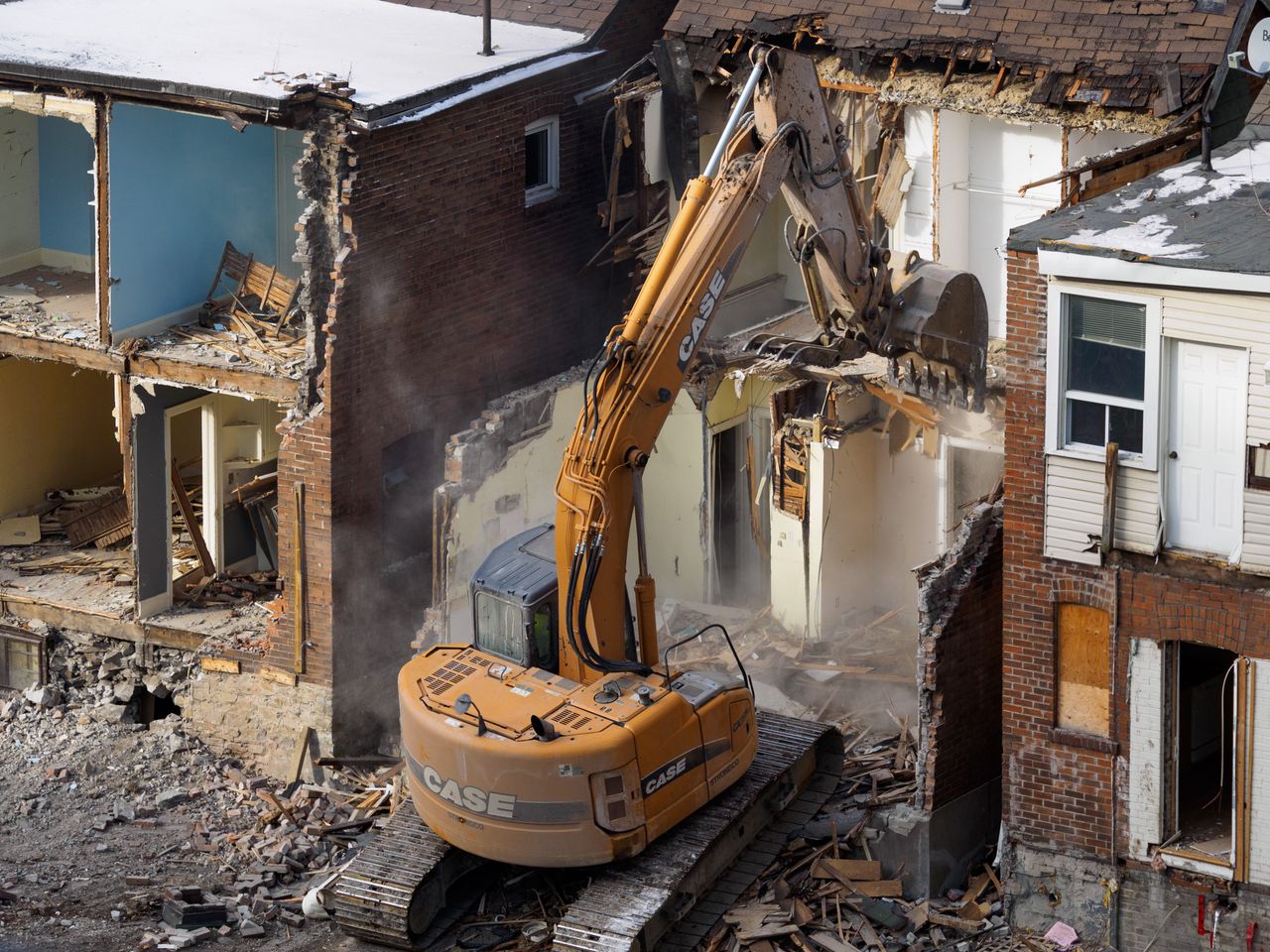
28 Jun Semi Detached House Demolition: Protecting Your Neighboring Home
Protecting Shared Walls During Semi-Detached House Demolition
Semi-detached house demolition is never just about one home. You are changing or removing one structure while the home on the other side of the wall stays standing, lived in, and protected. That shared party wall, plus any connected roof or foundation areas, makes this kind of project more complex than taking down a stand-alone house.
The neighbor’s safety, comfort, and property value all depend on how carefully the demolition is planned and carried out. That is why experience, detailed prep work, and clear communication matter so much. Many Westchester, Putnam, and Dutchess counties, and nearby CT homeowners also plan these projects in late spring and early summer. They want to finish the loud, messy stages before peak vacation time and back-to-school season, so their families and their neighbors deal with less disruption.
Understanding the Risks of Semi-Detached House Demolition
When you share a wall, you also share some structural risk. If demolition is rushed or done in the wrong order, the attached home can be affected even if no one touches it directly.
Main structural risks include:
- Damage to the shared party wall if it is not properly braced
- Roof movement where rafters, beams, or flashing tie both homes together
- Cracking or shifting at the foundation where the two homes meet
Even small changes in support can lead to:
- New cracks in walls or ceilings
- Doors and windows that stick
- Water leaks along the shared line
There are also non-structural issues to think about:
- Dust drifting into the neighbor’s home or yard
- Noise from equipment, trucks, and hand tools
- Debris crossing property lines, landing in shared driveways or walkways
- Temporary loss or disturbance of shared utilities or access paths
On top of that comes legal and financial exposure. If the neighbor’s property is damaged, if local codes are not followed, or if work is done without proper insurance, you can face:
- Claims for property damage
- Stop-work orders from the town
- Delays while permits or inspections are sorted out
- Insurance troubles if a claim is denied or coverage is unclear
This is a big reason many homeowners prefer a fully insured, professional demolition crew that understands attached homes.
Planning a Safe Semi-Detached House Demolition
Safe semi-detached house demolition starts long before the first wall comes down. A careful plan protects both sides.
A professional pre-demolition assessment usually includes:
- Inspecting the shared wall from attic to basement
- Reviewing how the rooflines connect, including flashing and gutters
- Checking porches, decks, and stairs that might span both homes
- Mapping out all utilities, like water, gas, electric, and sewer
With that information, the crew can design a safe separation plan so your side comes down while the neighbor’s side stays solid.
Permits and rules are another key step. In towns across Westchester, Putnam, and Dutchess counties, and nearby CT, you can expect:
- Building permits and sometimes separate demolition permits
- Required inspections at certain stages
- Noise limits and approved work hours
- Site safety and debris handling requirements
Ignoring these can slow your project and upset the neighbor quickly.
Then there is neighbor communication. Before demolition begins, it helps to:
- Give written and verbal notice of the start date
- Share basic work hours and how long each phase should last
- Explain what protections will be in place for their wall, roof, and yard
- Tell them who to contact on-site if they notice a concern
This approach reduces surprises, complaints, and delays halfway through the job.
Techniques That Protect the Attached Home
Once work starts, the right methods make all the difference. Semi-detached house demolition is more about care than speed.
Structural protection often includes:
- Bracing the shared wall so it does not move when your side is opened
- Following an engineered sequence, from roof down to foundation
- Using hand demolition and saw-cutting near the common wall instead of heavy machinery
By carefully cutting and separating pieces, the crew keeps vibration and stress away from the neighbor’s structure.
Dust, debris, and vibration control techniques can include:
- Temporary containment barriers around sensitive areas
- Protective sheathing on the neighbor’s siding, windows, or roof edge
- Debris chutes to move material into dumpsters with less scatter
- Water spray to keep dust down when materials are broken up
- Vibration monitoring if there are delicate finishes or past crack issues
Utility and site safety planning also matters. A professional team will:
- Cap and separate gas, water, electric, and sewer lines on your side without cutting off the neighbor
- Clearly fence and mark the work zone so no one walks in by mistake
- Plan parking and equipment paths so shared driveways and entries stay as open as possible
All of this keeps the attached home safe and the families on both sides more comfortable while work is underway.
Why Experience and Timing Matter
Not every demolition contractor works often with semi-detached or attached homes. This type of project takes a different mindset, where protecting the neighbor is just as important as removing your structure.
An experienced team will bring:
- Specific knowledge of how party walls, shared roofs, and tied foundations behave
- Familiarity with local building departments in Westchester, Putnam, and Dutchess counties, and nearby CT
- Crews that are used to working carefully in tight, residential spaces
A family-owned, fully insured company also has a direct stake in every project going smoothly. It is not only about taking a structure down; it is about long-term relationships in the community and making sure both households feel respected.
Full-service help can simplify things too. Many homeowners do not need a full teardown. They might choose:
- Interior or selective demolition on one side of a semi-detached home for a remodel
- Junk removal to clear the space before any structural work starts
- On-site dumpster rental to keep debris contained and in line with town rules
Seasonal timing plays a big role here. Late spring and summer often bring better weather, longer days, and easier scheduling with follow-up trades like builders and landscapers. When planning semi-detached house demolition during summer, many homeowners try to:
- Book contractors and dumpsters early, before the busy season peaks
- Coordinate with local building departments ahead of warm-weather backlogs
- Line up temporary parking and access plans for both households
It can also help to plan the noisiest, dustiest parts of the job when neighbors are more likely to be at work or away, within the limits of local noise rules.
FAQs About Semi-Detached House Demolition
How does semi-detached house demolition differ from demolishing a single-family home?
With a semi-detached home, you share a wall, and sometimes rooflines or foundation elements, with your neighbor. This means the demolition plan must protect that shared structure, follow extra permitting steps, and use more careful methods near the party wall.
Will semi-detached house demolition damage my neighbor’s home?
The goal is always zero damage. Crews use bracing, selective demolition, dust control, and protection on the neighbor’s side to keep things safe. Working with an experienced, fully insured contractor greatly reduces risk and helps address any issues quickly if they come up.
Do I need my neighbor’s permission for semi-detached house demolition?
You usually need to follow local notice rules and whatever your town or HOA requires. Written agreements can be a smart idea when party walls and shared features are involved, even if not required by law.
How long does semi-detached house demolition usually take?
Timing depends on house size, access, permit approvals, and how complex the shared wall and utilities are. Careful selective demolition near the attached home can add time, but it also adds safety.
What does semi-detached house demolition cost in NY and CT?
Costs are shaped by factors like square footage, site access, presence of hazardous materials such as asbestos, and the extra labor needed to protect and separate the shared wall and connected structures.
Can a crew handle selective demolition in a semi-detached home?
Yes, many projects focus on one area, like gutting interiors or removing a rear addition, while keeping the main structure sound. This allows one side of a semi-detached property to be renovated without risking the attached home.
Do demolition teams provide junk removal before semi-detached house demolition?
Full-service providers often help with cleanouts and on-site dumpsters so the site is clear, safe, and not spilling into shared driveways or walkways before structural work starts.
How do professionals protect landscaping and shared outdoor spaces?
Common steps include temporary fencing, ground protection mats, careful equipment staging, and clear traffic paths. The aim is to keep lawns, plantings, shared paths, and driveways in good shape.
Are demolition crews fully insured for semi-detached house demolition work?
A reputable company will carry proper insurance, licensing, and permit support so both your home and the attached neighbor’s property are covered while work is done. This gives everyone more peace of mind when a shared wall is involved.
Get Started With Your Project Today
If you are planning a semi-detached house demolition, our team at Demolition Experts NY is ready to handle every step safely and efficiently. We bring the equipment, experience, and permitting know-how so you can move forward with confidence. Tell us about your timeline and goals, and we will provide a clear plan and straightforward pricing. Reach out today through our contact page to schedule a consultation.

No Comments