


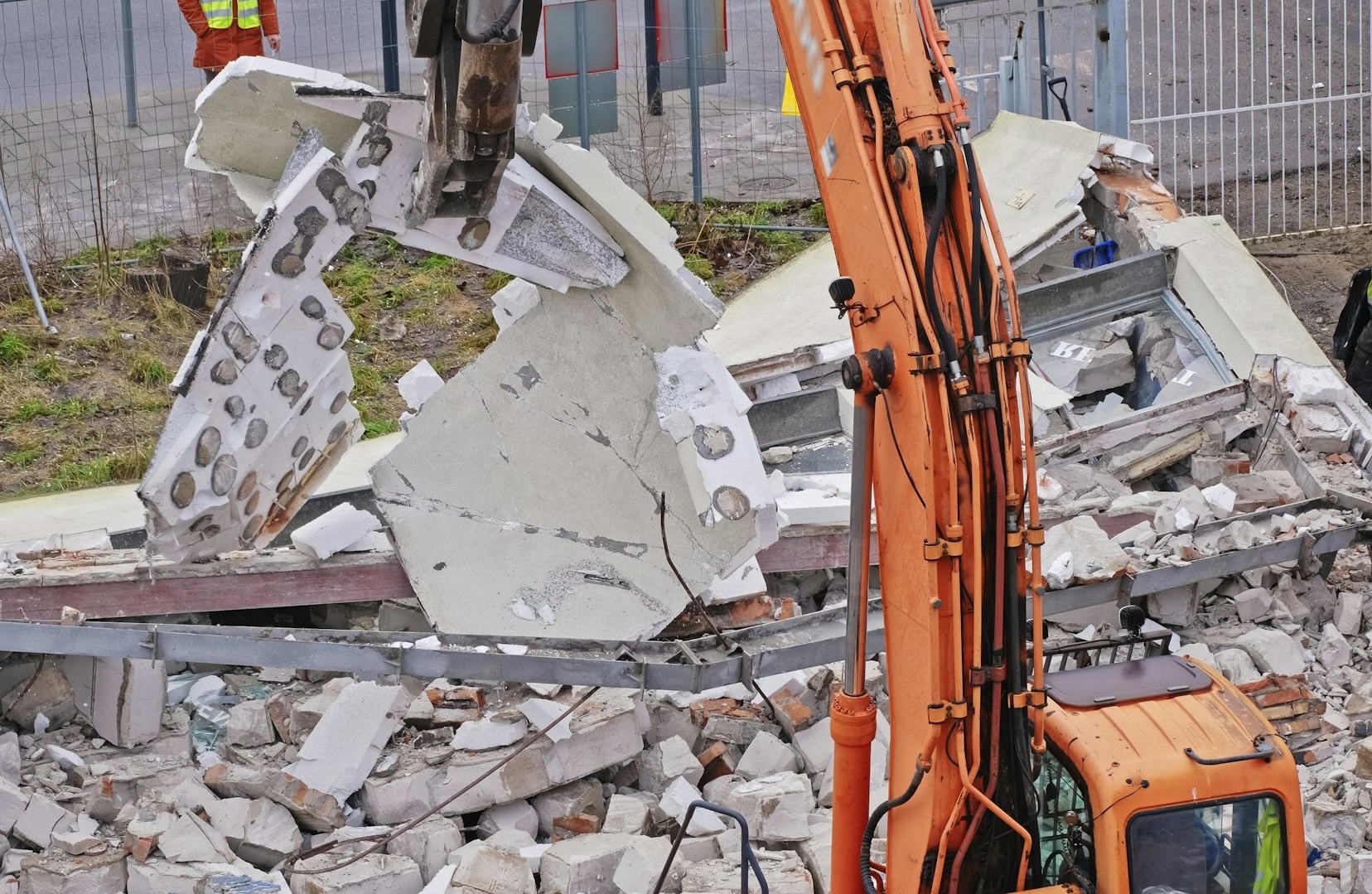
02 Aug What Happens During Residential Demolition of Attached Homes
What Homeowners Can Expect From Attached Home Demolition
Residential demolition of attached homes is different from tearing down a stand-alone house on a big lot. With townhouses, duplexes, and row houses in places like Westchester, Putnam, Dutchess, and nearby Connecticut, you share walls, roofs, and sometimes foundations with your neighbors. That means safety, planning, and communication are even more important.
During demolition of residential buildings that are attached, the goal is to remove your structure or interior while keeping neighboring homes stable, dry, and safe. There are more steps, more checks, and more care taken at every stage. A fully insured, family-owned local contractor gives many homeowners peace of mind, because there is someone accountable who understands local streets, rules, and neighborhoods. Late summer, especially August, is often a popular time to start these bigger projects, because weather tends to be reliable and you can move into framing and interior work as cooler months arrive.
Planning Your Attached Home Demolition Safely
Safe demolition starts long before a wall comes down. A good crew will begin with a full site evaluation and structural review.
We look at things like:
- Shared party walls and how they are built
- Where your roof connects to neighboring roofs
- The condition of the foundation and basement walls
- Access points, like alleys, driveways, and shared walkways
Identifying load-bearing walls, roof ties, and support beams helps us plan a sequence that keeps everything stable as sections are removed.
Permits and codes play a big role in demolition of residential buildings in New York and Connecticut communities. Towns often have rules about:
- Work hours and noise levels
- Street parking for equipment and dumpsters
- Required safety fencing and sidewalk protection
If you live in an HOA, condo, or co-op, there may be extra rules about when crews can work, where they can park, and how common areas must be protected. Those rules can change your schedule, so they need to be checked early.
Before demolition starts, utilities need to be properly disconnected or capped. Gas, electric, water, sewer, and oil lines must be handled with care so there are no leaks or live lines affecting attached neighbors. Good communication with neighbors is just as important. Letting them know:
- Expected start and end dates
- When the loudest work will happen
- Any short-term changes to parking or access
helps reduce surprises and keeps the project smoother for everyone.
How Selective Demolition Protects Shared Structures
Attached homes often require selective demolition rather than simple full teardown with big machines. We separate your home from the adjoining units in a controlled way.
That can include:
- Cutting and capping shared roof sections
- Bracing or rebuilding exposed sides of party walls
- Hand-removing parts close to the neighbor’s structure
Hand tools and smaller, precision equipment are often used near shared walls. This allows us to work inch by inch instead of swinging large machines right up against a neighbor’s living room.
Dust, vibration, and noise control matter a lot when your neighbors are just a few feet away. To help protect other units, we may use:
- Plastic barriers or temporary walls
- Negative air machines or fans with filters inside
- Water spray to keep dust from getting airborne
We also adjust how we use saws and hammers to reduce vibration. Sometimes this means more hand work and fewer heavy hits.
Before heavy demolition, it is common to walk through and see what can be salvaged. Items like:
- Interior doors and hardware
- Light fixtures and cabinets
- Flooring and trim in good shape
can often be removed first. After that, debris is sorted for recycling as much as possible, such as metal, concrete, and clean wood, with the rest hauled to proper disposal sites.
Step-by-Step Demolition Day Process for Attached Homes
On demolition day, the first step is setting up a safe site. That usually involves:
- Temporary fencing or barriers
- Warning signs for sidewalks and shared driveways
- Clear paths for workers and residents
In tight urban or suburban areas, equipment and dumpsters are staged so they block as little as possible. The goal is to respect driveways, sidewalks, and shared parking while still keeping the work zone safe.
The structural teardown normally follows a set order. For a full structural demolition, crews often start with:
- Roof and top floor removal
- Upper walls and framing
- Lower floors and interior walls
- Finally, foundation, slab, or basement work if included
For an interior gut, the structure stays, and crews focus on taking out finishes like drywall, plaster, flooring, and non-load-bearing walls while leaving framing, party walls, and exterior intact.
Throughout the day, debris is loaded into trucks or dumpsters and removed in stages. Keeping the site clear:
- Reduces tripping hazards
- Makes it easier to spot safety issues
- Helps control dust and clutter
Before workers leave, there is usually a quick safety walk to check for loose debris, exposed nails, and any areas that may need extra bracing or tarps.
Interior, Partial Demolition, Dumpster Rental
Not every attached home project is a full teardown. Many homeowners choose an interior gut when they plan a major remodel or addition. During interior demolition, we:
- Remove old finishes and fixtures
- Keep shared walls and main structural supports in place
- Protect stairwells, common entries, and shared building systems
Exterior or partial work can include removing porches, garages, decks, or older additions without touching the neighbor’s structure. Selective demolition can also prepare your home for improvements, like better insulation, new siding, or updated windows.
When part of the building stays occupied, timing and access matter even more. Crews may:
- Plan the loudest work for midday hours
- Coordinate elevator or stair use in multi-unit buildings
- Use extra floor and wall protection in shared halls
Dumpster rental and hauling are a big part of keeping demolition of residential buildings safe and neighbor-friendly. Choosing the right dumpster size and placement helps avoid blocked driveways or tight street corners. On narrow streets or in townhouse rows, we think about:
- How trucks will enter and exit
- Where debris can be loaded without blocking traffic
- Any local rules for curbside or on-street placement
Typical debris includes drywall, plaster, masonry, roofing, framing, and old fixtures. Professional hauling keeps the site clean and in line with local codes. Scheduled pickups and swaps keep the project moving so you are not waiting on an overflowing container. At the end, crews usually sweep, run a magnet for nails, and leave the space ready for the next phase.
Frequently Asked Questions (FAQ) About Attached Home Demolition
How Long Does Demolition of an Attached Home Usually Take?
Interior gut jobs can often be completed faster than full teardowns, since the structure remains. Full demolitions take longer because of extra planning, utility work, and protection for neighboring units. Weather, permitting, and site access can also affect timing.
Will Demolition Damage My Neighbor’s Home or Shared Wall?
Before work starts, structural assessments and protection plans are made to reduce risk. Careful methods, bracing, and controlled demolition all help protect adjoining properties. Insurance coverage is another layer of protection if something unexpected happens.
Can I Stay in My Home During Interior or Partial Demolition?
For small interior projects, some homeowners stay, but they should expect noise, dust, and limited access to parts of the home. For larger interior guts or structural changes, temporary relocation is often safer and more comfortable.
When Is the Best Time of Year to Start Attached Home Demolition?
Seasonal and local timing plays a part too. Starting in late summer can mean:
- Warmer, more predictable weather for open roofs and exterior walls
- Longer daylight for crews to make steady progress
- A smoother path into framing and interior work before winter
During summer, when windows are open and people are outside more, extra steps are taken to control dust and noise, like tighter barriers and more frequent cleanup. It also helps to plan around local events and school schedules so truck traffic and noisy work do not clash with drop-off times or big neighborhood gatherings.
By understanding what happens during demolition of residential buildings that are attached, you can plan with more confidence, ask better questions, and feel more prepared for the changes to come in your home and your block.
Get Started With Your Project Today
If you are planning the demolition of residential buildings, our team at Demolition Experts NY is ready to help you move forward safely and efficiently. We will review your project, outline clear next steps, and coordinate all phases to minimize disruption to your property and neighborhood. Tell us about your timeline and goals so we can customize a plan that fits your needs, then contact us to schedule a consultation.
No Comments