


24 May Demolition Day Checklist: Night-Before and Morning-Of Homeowner Tasks
Make Demolition Day Smooth and Stress-Free
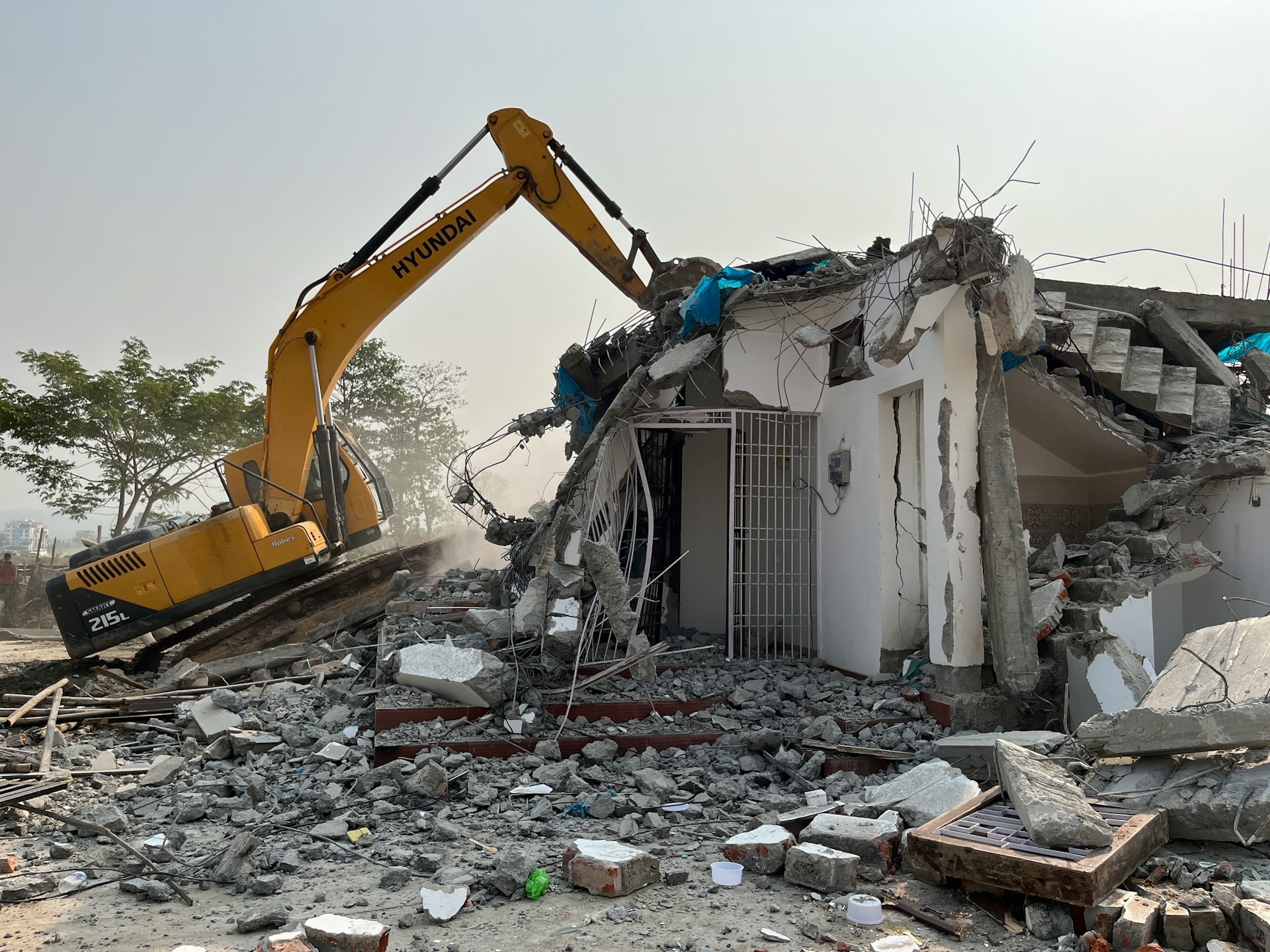
Residential demolition day is noisy, busy, and messy, even when everything goes right. There are trucks outside, workers moving in and out, and walls or fixtures coming down. A little planning before the crew pulls up can make a huge difference for your safety and your stress level.
When you have a clear checklist for the night before and the morning of, you protect kids, pets, valuables, and the parts of your home that are staying. You also help the crew start on time and finish faster, without delays from last‑minute questions or blocked access. That is exactly what we want for every homeowner we work with.
At Demolition Experts NY, we are a family-owned, fully insured demolition contractor serving homes across Westchester, Putnam, and Dutchess Counties, and nearby Connecticut. We guide our customers through this prep step by step, and this checklist is the same type of advice we share before residential demolition begins.
Night-Before Safety Prep for Kids and Pets
The night before demolition is the right time to plan where kids and pets will be and how they will stay out of the work zone.
If you can, arrange for children and animals to stay somewhere else during the loudest work, like with family, friends, or at a boarding facility. This is especially helpful in late spring when windows are open and noise carries. If they need to stay home, set clear safe zones.
Good night-before steps include:
- Pick one or two rooms far from the work area as “kid and pet zones.”
- Close doors, set up baby gates, and block hallways that lead to the demolition zone.
- Remove pet beds, toys, food and water bowls from any area the crew may pass through.
Take a few minutes to talk with older kids about what to expect. Explain that there will be:
- Loud noises and maybe some shaking as walls or floors come out
- Workers using tools and walking in and out of the house
- Places they must not enter that day
Set simple rules like staying in their safe zone, no running in the hall, and always asking an adult before opening exterior doors or going outside.
Protecting Valuables, Keepsakes, and Sensitive Documents
Residential demolition creates vibration, dust, and a lot of movement. Even with careful work, items can fall, get scratched, or end up covered in debris if they are left too close.
Start by clearing the work zone and nearby rooms. Take down:
- Photos and art on the walls
- Shelves with small decor or collectibles
- Electronics like TVs, speakers, and game consoles close to the area
Move small furniture, plants, and floor lamps out of traffic paths. Anything light or wobbly is better stored in another room for the day.
For items that are irreplaceable, do more than just slide them aside. Put jewelry, family keepsakes, important documents, and small valuables in labeled boxes, then move them to:
- A locked bedroom or home office
- A safe or lockbox
- An off‑site location, like a trusted friend’s house
Next, prepare for dust. Even with dust control methods, some fine debris can travel. Cover remaining furniture, beds, and electronics with plastic sheeting or old sheets. Close interior doors to rooms that will not be used. In some homes, it can also help to close or cover vents in or near the demo area, as long as this does not interfere with HVAC safety.
Access, Parking, and Utility Shutoffs for a Fast Start
One of the biggest time wasters on demolition day is blocked access. The night before, look at your driveway, street parking, and yard from the crew’s point of view.
Plan where trucks, dumpsters, and equipment will go. Often this means:
- Clearing the driveway so it is fully open
- Moving your own vehicles to the street or a neighbor’s driveway
- Leaving space near the house for a dumpster or debris pile if that was discussed
Confirm with your contractor which utilities need to be shut off, and who is responsible for doing it. For some projects, gas or electric may need to be turned off at least in certain areas. Double-check that:
- Any needed gas shutoff has been handled by the utility or a licensed pro
- Electric to the demo area is off if that was part of the plan
- Water lines to fixtures being removed are shut off and drained
Then secure exterior areas. Move grills, patio furniture, planters, garden tools, kids’ bikes, and outdoor toys out of the path between the truck and the house. Clear any items near doors, bulkheads, or basement entrances that the crew will use.
Morning-of Walkthrough, Neighbors, and House Rules
On the morning of residential demolition, a quick walkthrough goes a long way. Before the crew arrives, do one last sweep of the work zone and surrounding rooms.
- Phone chargers and cords
- Small decor on windowsills or shelves
- Tools or household items you might need that day
Make sure any agreed access points are unlocked, including side gates, basement doors, and garage entries. If you use an alarm system, confirm it is disarmed in the areas where workers will be going in and out.
It is also thoughtful to give neighbors a heads-up, especially in late spring when more people are spending time outside. A simple note or quick chat to share the date, expected hours, and where trucks will park can prevent frustration later.
Finally, set “house rules” with your contractor before work starts. Go over:
- Start and stop times that work for your family and meet local rules
- Where workers may take breaks or smoke, if allowed, away from doors and windows
- Whether a bathroom is available inside, and if so, which one
- The best way to reach you during the day when quick decisions are needed
Residential Demolition FAQs for Homeowners
Here are a few common questions we hear about preparing for residential demolition.
How should I prepare my house for residential demolition day?
Focus on these core steps:
- Arrange care or safe zones for kids and pets
- Remove or secure valuables, keepsakes, and important documents
- Clear the work area and nearby rooms of decor and small furniture
- Confirm utility shutoffs needed for your project
- Plan access, parking, and give neighbors a polite heads-up
Do I need permits or inspections before residential demolition starts?
Many demolition projects do require permits or inspections, especially for exterior work or when you are removing structural elements. Interior selective demolition may also need approval depending on your town. A professional contractor will usually help guide you on what is needed and how to handle paperwork with your local building department.
What should I expect during a residential demolition project in late spring?
You can expect noise from tools and debris removal, some dust, and regular traffic in and out of your home. With nicer weather and open windows, sound can carry more and dust control and ventilation may need extra attention. Weather can also affect when dumpsters are dropped or picked up, and how debris is managed on site, so staying flexible with timing is helpful.
Your Next Step to a Safe, Organized Demolition Day
Following a simple night-before and morning-of checklist keeps your family safer, protects the parts of your home you love, and helps the crew work quickly without avoidable delays. A little planning with kids, pets, valuables, utilities, and access can turn what might feel like a stressful day into a well-organized project.
For homeowners in Westchester, Putnam, and Dutchess Counties, and nearby Connecticut, Demolition Experts NY can walk you through your specific residential demolition plan, including permits, scope, and day-of prep. Working together, we can set clear expectations so demolition day starts on time, runs smoothly, and brings you one big step closer to your finished space.
Get Started With Your Project Today
If you are planning a home teardown or major remodel, our team at Demolition Experts NY is ready to help you move forward safely and on schedule. Explore how our residential demolition services can be tailored to your property, timeline, and budget. Tell us about your project goals and constraints, and we will provide a clear, detailed plan from preparation through cleanup. Have questions or need a quote now? Simply contact us to get started.

Sorry, the comment form is closed at this time.