


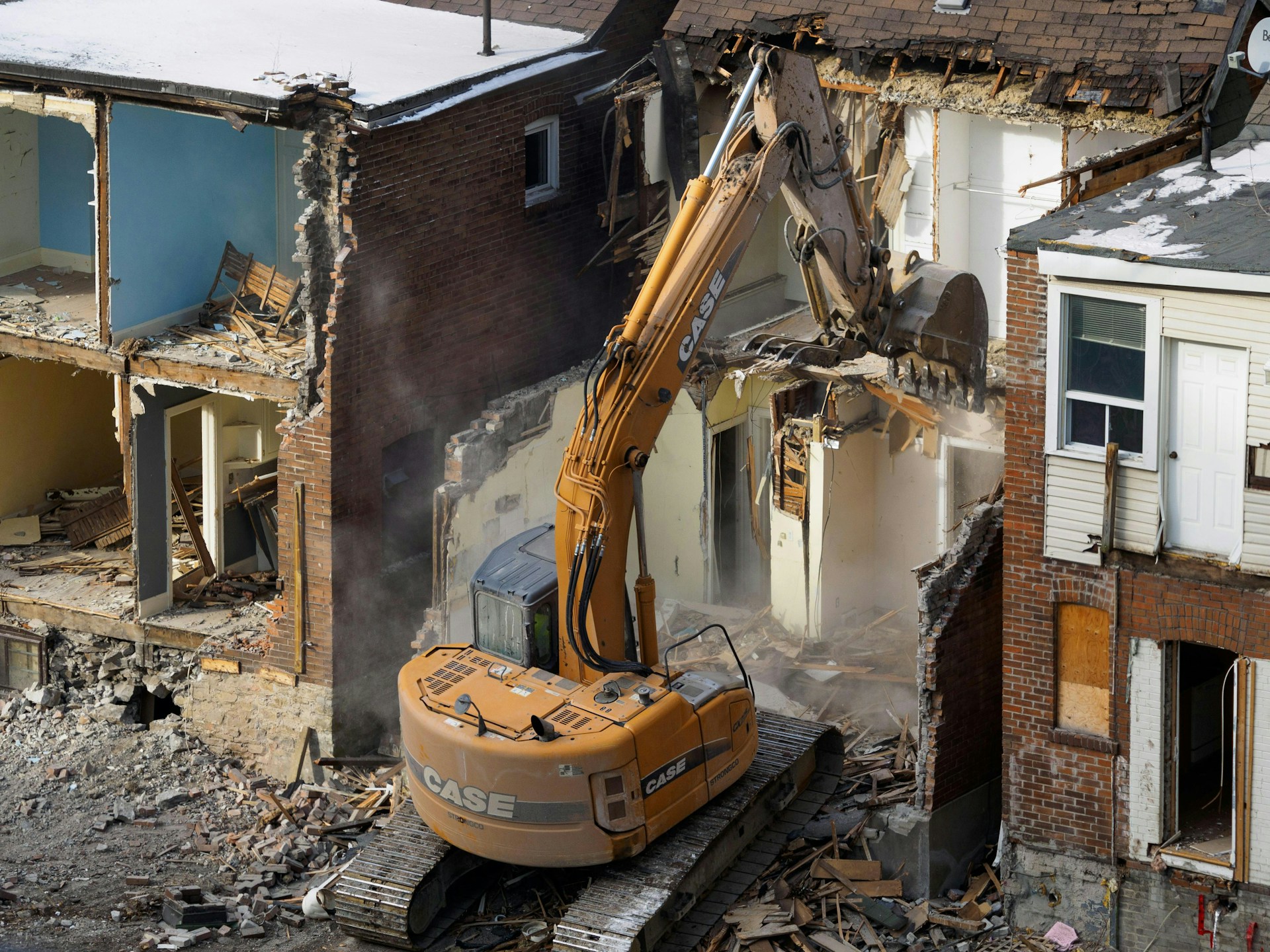
07 Jun Planning Summer Remodels Around Residential Demolition
Make Summer Remodels Easier with Smart Demolition Planning
Summer is when many homeowners finally tackle those big remodel projects. Long days, warmer weather, and school breaks all make it easier to live through the mess and noise that come with construction. But before new cabinets, fresh tile, or updated siding can go in, something has to come out first: that is where residential demolition comes in.
Planning demolition early helps keep your summer remodel on schedule and on budget. When you know what is getting removed, how debris will be handled, and when the space will be ready for trades, everything else runs smoother. Our team works with homeowners, contractors, and property managers across Westchester, Putnam, Dutchess County, and nearby parts of Connecticut to line up safe, efficient demolition that fits the rest of the project plan.
Why Summer Is Ideal for Residential Demolition
Summer tends to be the easiest time of year for residential demolition work in our area. The weather usually cooperates, which means fewer delays and a more predictable schedule.
Some of the advantages include:
- Longer daylight hours for more flexible start and finish times
- Fewer weather-related pauses for hauling debris
- Better ground conditions for placing dumpsters and moving equipment
Summer also fits better with family life. Windows can stay open to help air out dust and smells. Many families travel, send kids to camp, or spend more time outside, which makes it easier to live through noisy or messy work indoors.
There is also a timing benefit for the rest of your remodel. When demolition is finished early in the season, your contractor has the warm months to focus on:
- Framing and structural changes
- Plumbing, electrical, and HVAC rough-ins
- Insulation, drywall, and finish work
That way, your space is more likely to be ready before cooler weather and holiday plans.
Planning Residential Demolition Before Your Remodel Starts
The best time to think about residential demolition is before your remodel design is fully locked in. A good plan usually follows this basic sequence:
- Site assessment to look at access, structure, and debris needs
- Coordinating shutoffs or protections for utilities where needed
- Confirming any required permits with your town or village
- Choosing between interior, exterior, or selective demolition
Homeowners, contractors, and property managers should talk together about the timeline. It helps to decide:
- When demolition will start and end
- When dumpsters or junk removal are needed
- When the space must be clear for the next trade
Summer months can book up fast, so it is smart to allow some lead time for scheduling. That includes lining up dumpster delivery, planning junk removal, and building in a small buffer for surprises behind walls or under floors.
Choosing the Right Demolition Scope for Your Project
Not every project needs a full gut. Picking the right scope of residential demolition can save time and stress later.
Here are the main types you might consider:
- Interior demolition, such as kitchen or bathroom gut jobs, basement cleanouts, or pulling old flooring and ceilings
- Exterior demolition, like removing an old porch, deck, or detached garage
- Selective demolition, where only certain walls, fixtures, or sections are removed while the rest stays in place
The key is safety and structure. You want experienced pros who can spot:
- Load-bearing walls and beams
- Plumbing stacks and hidden lines
- Electrical runs, panels, and low-voltage wiring
- HVAC ducts and vents
When these parts are found and protected correctly, you reduce the risk of damage, delays, and extra work later. A well-defined demolition scope also helps limit dust, protect areas you are not touching, and keep your family disruption as low as possible. By removing only what is needed, you avoid surprise change orders during the remodel.
Summer Safety, Permits, and Neighbor-Friendly Demo
Any residential demolition near occupied homes needs careful attention to safety, and that is especially true in summer when people are home more.
Good safety practices include:
- Dust control methods to keep particles from spreading
- Noise management and clear working hours
- Proper handling and sorting of debris
- Protecting walkways and keeping work areas fenced or taped off
Permit and code rules can vary from town to town. In Westchester, Putnam, and Dutchess County, interior and exterior demolition work may require approvals from the local building department. Some communities and parts of Connecticut also have HOA rules about work hours, dumpster placement, and street parking. It is important to confirm what applies to your property before work begins.
Being a good neighbor makes the process easier for everyone. Simple steps help a lot:
- Letting neighbors know the dates and general hours of demolition
- Planning the loudest work for mid-day when possible
- Placing dumpsters and trucks to avoid blocking driveways or mailboxes
Making the Most of Junk Removal, Dumpsters, and Debris Handling
Demolition and junk removal usually go hand in hand. Clearing out old furniture, appliances, and clutter before or during residential demolition gives your contractor a cleaner start and frees up storage space in the home.
For dumpsters, size depends on your project:
- Kitchen remodels often create a surprising amount of debris from cabinets, countertops, and tile
- Bathroom demos are smaller but can be heavy because of tile, tubs, and fixtures
- Basement cleanouts and whole-house prep work can fill larger containers quickly
To keep things efficient:
- Stage debris in a clear path toward the dumpster
- Separate metal and clean cardboard when possible for easier recycling
- Plan dumpster swaps around key project milestones so the work area stays open and safe
FAQs About Summer Residential Demolition in Westchester and Connecticut
How Far in Advance to Schedule a Demolition for Summer Remodel?
Many people start planning several weeks ahead, especially in peak months, so there is time for site visits, permits, and dumpster planning.
Do I Need Permits for Residential Demolition Before Remodeling My Home in NY or CT?
Often yes, especially for structural changes or exterior work. The exact requirements depend on your town or city, so it is important to check local rules.
How Long Does Residential Demolition Take for a Remodel?
Smaller areas can go quickly once everything is set up, but timing depends on size, access, and what is behind walls or under floors.
Can I Stay in My House During Interior Demolition Work?
Sometimes you can, especially if work is limited to one area and dust barriers are set up, but it may be noisy, dusty, and less comfortable for a few days.
What to Remove or Protect Before Home Demolition Starts
Personal items, decor, and anything fragile should be taken out of the work area. It also helps to protect nearby rooms and pathways that crews will use.
How Junk Removal and Dumpster Rental Work for Home Demolition Services
Most projects coordinate junk removal and dumpster placement around the demolition schedule so debris can be loaded quickly and the work area stays clear and safe.
Demolition Experts NY is a family-owned, fully insured residential demolition company that helps homeowners, contractors, and property managers plan safe, well-timed demolition across Westchester, Putnam, Dutchess County, and parts of Connecticut. With careful planning around summer schedules, utility needs, and debris handling, we help set the stage for smoother remodels from the first wall coming down to the final finish work going in.
Get Started With Your Project Today
If you are ready to clear the way for your next build, our team at Demolition Experts NY can help you plan a safe and efficient residential demolition from start to finish. We will walk you through permits, timelines, and site preparation so there are no surprises along the way. Reach out today through our contact us page, and we will provide a straightforward assessment and next steps tailored to your property.
Sorry, the comment form is closed at this time.