


19 Jul Full-Home Demolition Prep: Plans, Disconnects, Testing, and Site Logistics
What Really Happens Before a Full-Home Demolition
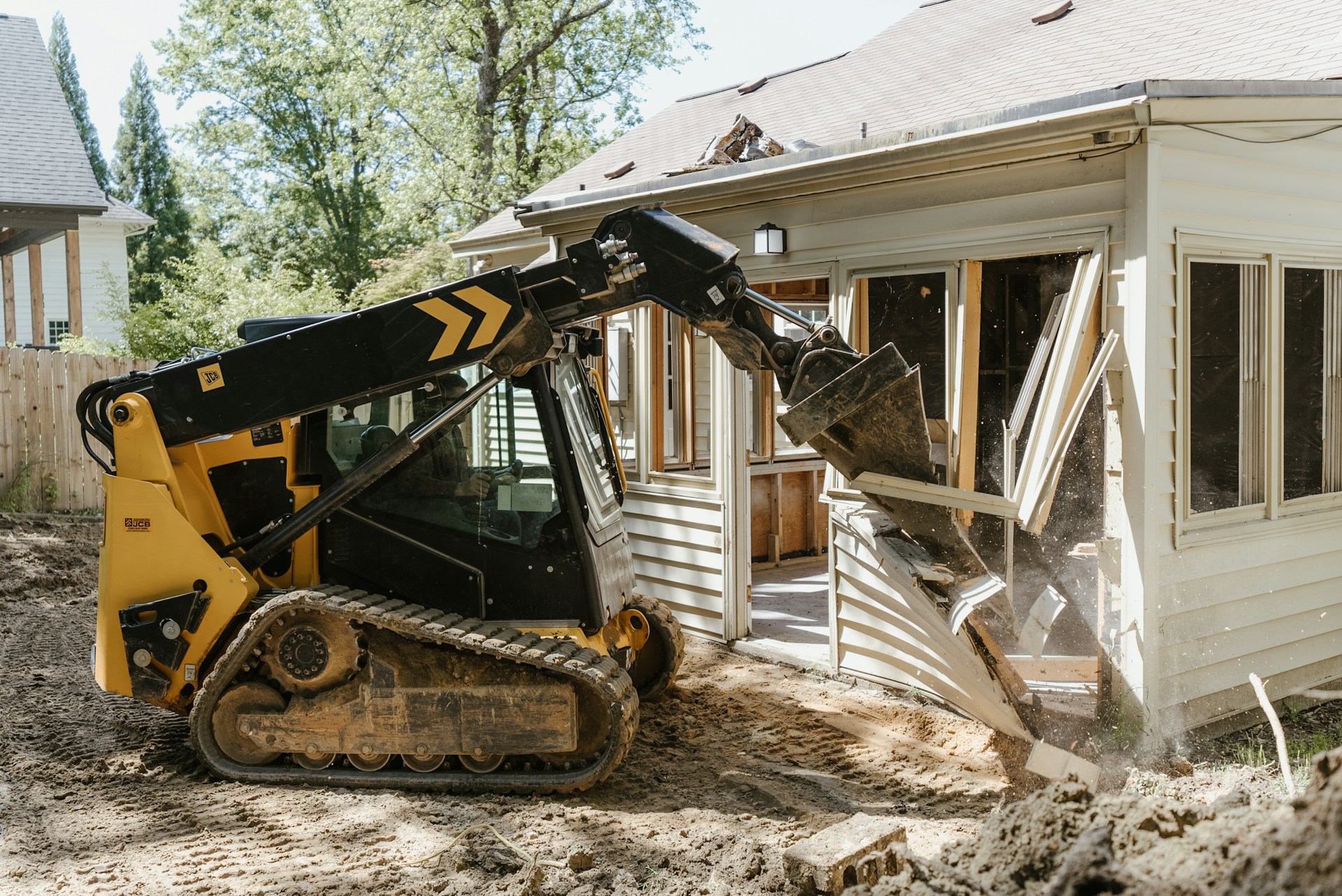
A full-home teardown looks simple from the street. One day the house is there, the next day it is a pile of debris. In reality, a safe demolition starts weeks before the first swing of the bucket. There are plans, inspections, utility shutoffs, and site prep that all have to line up.
We know this well. At Demolition Experts NY, we are a family-owned, fully insured demolition company serving homeowners and property owners across Westchester, Putnam, Dutchess County, and nearby Connecticut. When people search for demolition contractors in my area, they often do not see what happens behind the scenes. Understanding these steps helps you stay on budget, on schedule, and in compliance with local rules.
Engineering Plans That Make Demolition Safe and Predictable
Before any machine shows up, the structure needs to be understood. A licensed engineer or design professional looks at how the house stands, so we can plan how it should come down.
Key parts of a structural assessment often include:
- Foundations and basement walls
- Load-bearing walls and beams
- Roof framing and truss systems
- Proximity to neighboring homes, garages, and retaining walls
We also document existing conditions with photos, measurements, and site surveys. This record helps everyone agree on what is there before work starts and reduces surprises once demolition begins.
Those findings then get turned into permit ready demolition plans. Each town or city in NY and CT has its own rules for:
- Permits and inspections
- Setbacks from property lines
- Noise limits and work hours
- Dust control and debris containment
In dense Westchester streets or older neighborhoods, these rules matter a lot. There might be narrow roads, limited parking, or historic details to protect.
The planning phase is also when the right demolition method is chosen. For example:
- Full structural demolition if the entire home and foundation are coming out
- Selective demolition or interior gut if parts of the structure will stay
- Mechanical demolition with excavators, or a more hands-on approach when space is tight
Good planning helps protect trees you want to keep, shared driveways, and underground lines. On many suburban lots, there is not much room to spare, so every move counts.
Utility Disconnects That Prevent Dangerous Surprises
Live utilities are one of the biggest safety risks on a demolition site. Before we touch the structure, we work with utility providers to shut everything down safely.
Typical disconnects include:
- Electric
- Natural gas or oil
- Water
- Sewer or septic tie-ins
- Cable, internet, and phone
Each provider has its own schedule and lead times. That is why utility calls are usually one of the first items on the demolition timeline. Waiting too long to start this process can delay the whole project.
Once shutoffs are scheduled and completed, they have to be verified. We want:
- Written confirmation from each utility company
- Visible lockout or tagout indicators on meters and valves
- On-site checks to confirm nothing is still live
Older homes can have undocumented or abandoned lines. We review site records, get utility mark-outs, and may bring in ground scanning to find hidden services. Striking a live line during demolition is not just expensive, but it is dangerous.
We also think about temporary needs. You may need power for security lighting or water for dust control. Neighbors should be told about any planned street impacts, driveway changes, or times when trucks will be moving in and out.
Environmental Testing and Site Logistics Before Work Begins
For many older homes in New York and Connecticut, asbestos and lead are a real concern. Testing for these materials is not a nice-to-have, it is required by law in many areas and it protects everyone on and near the site.
Common spots where asbestos and lead might be found include:
- Pipe insulation and boiler wrap
- Floor tiles and old mastic
- Siding and roofing materials
- Joint compound and plaster
- Window and door paint, especially in older houses
Licensed environmental professionals collect samples and send them to accredited labs. The lab checks for asbestos fibers or lead content. This process takes some time, so it should be built into your schedule, especially if you are hoping for a summer start date when many people are booking demolition contractors in my area.
If hazardous materials are found, abatement has to be planned before general demolition. This may involve:
- Removing certain materials under controlled conditions
- Sealing or encapsulating items that will remain
- Adjusting the sequence of demolition tasks
All disposal must follow state and EPA rules. That means licensed haulers, proper manifests, and approved facilities. When this is handled correctly, it protects you as the property owner from long-term liability.
At the same time, we plan the physical flow of the site. On tight suburban or lakeside properties, access is often the hardest part of the job. We map how equipment will enter and exit, where crews will park, and which areas need protection.
Site logistics planning usually covers:
- Ground protection mats for lawns and driveways
- Temporary fencing to keep pedestrians out of danger
- Signs to guide delivery trucks and visitors
- Safe zones for workers and material staging
Dumpster placement is another big piece. Dumpsters need to be close enough for fast loading but not block neighbors, sidewalks, or emergency access. We plan hauling schedules so debris gets removed steadily and the site never becomes backed up.
Recycling and junk removal get factored in as well. Metals can be separated, concrete can be crushed or reused, and household junk can be loaded out early. This keeps the site cleaner and helps the demolition move faster.
Summer weather in this region can bring heat, thunderstorms, and heavy traffic on local roads. We plan early work windows for noisy tasks, dust control on dry days, and backup plans when storms roll in and machines have to shut down for safety.
Choosing the Right Demolition Partner and Common FAQs
Not all demolition contractors in my area handle full-home teardowns the same way. When you are comparing options, it helps to look at:
- Licensing and insurance
- Safety record and training
- Experience with full-home demolitions
- Familiarity with local building departments and inspectors
A family-owned, locally based team often has deep experience with town rules, common soil issues, and neighbor concerns. They know which roads get busy, where school zones are, and how nearby communities like projects to be handled.
Before you sign anything, good questions to ask include:
- Who handles engineering plans and permits?
- How are utility disconnects scheduled and confirmed?
- How will asbestos and lead testing be arranged?
- Who is responsible for hauling and disposal, and how is it documented?
- Can you provide a written scope and estimated schedule for all pre-demolition steps?
At Demolition Experts NY, we handle residential and commercial demolitions, junk removal, and dumpster rentals from start to finish. Our approach focuses on clear communication, realistic timelines, and solving problems early, so the first day of demolition feels calm and controlled, not stressful.
Here are a few quick FAQs we hear often:
FAQ 1: How far in advance should I contact demolition contractors in my area for a full-home teardown in Westchester, Putnam, or Dutchess County?
It is smart to start the conversation several weeks before your target date. Engineering, permits, environmental testing, and utility disconnects all add time, especially if you want work to start in the busy summer season.
FAQ 2: Do I need engineering plans for every residential demolition in NY and CT, or only complex full-home projects?
Some towns require formal engineering for any structural demolition. Others allow a simpler assessment on smaller or straightforward homes. A qualified demolition contractor can explain what your specific town expects.
FAQ 3: Who is responsible for scheduling utility disconnects before a full-home demolition in my area?
Usually, the homeowner signs off on the requests, while the contractor helps coordinate timing and paperwork. What matters most is that someone tracks every disconnect and confirms completion before work begins.
FAQ 4: How much time do asbestos and lead testing usually add to a full-home demolition project in New York or Connecticut?
Testing itself is relatively quick, but you should allow time for scheduling the inspector, lab work, and any required abatement. Starting this step early prevents delays later.
FAQ 5: What can I do as a homeowner to prepare my property for a full-home demolition in Westchester, Putnam, or Dutchess County?
You can remove personal belongings, empty sheds and garages, clarify property lines, and talk with neighbors about access. Sharing any old building plans or past repair records can also help the planning team.
Ready for Day One Demolition? Start with Smart Planning
Safe, efficient full-home demolition is never just about heavy machines. It depends on thoughtful engineering, confirmed utility shutoffs, complete environmental testing, and careful site logistics. When these pieces are in place, the actual teardown is far smoother, safer, and less stressful for you and your neighbors.
For homeowners and property owners across Westchester, Putnam, Dutchess County, and nearby Connecticut, understanding these steps puts you in control when you compare demolition contractors in my area. Demolition Experts NY is here to guide you through each stage so that when demolition day arrives, everyone knows the plan and the work can move forward with confidence.
Get Started With Your Project Today
If you are searching for reliable demolition contractors in my area, our team at Demolition Experts NY is ready to help you plan and execute your next project safely and efficiently. We take the time to understand your timeline, site conditions, and budget so the demolition process fits smoothly into your overall plans. Reach out to us today through our contact page to schedule a consultation and get a straightforward estimate.
No Comments