

26 Jul Managing Water-Damaged Homes with Residential Demolition
Water damage moves fast. A storm, a burst pipe, or a flooded basement can turn a safe home into a risky place in a short time. Walls get soft, floors start to buckle, and the air can fill with moisture and hidden mold. Cleaning alone is not always enough to fix the problem.
This is where residential demolition services come in. By safely removing the materials that cannot be saved, you protect the structure of your home and the health of the people inside. In this article, we will walk through when demolition is needed after water damage, how the process works, and how it supports a smooth path to repair and rebuilding for homeowners in New York and nearby Connecticut.
Protecting Your Home After Water Damage
When water gets into your home, it does more than make a mess. It can soak into drywall, insulation, flooring, and framing. Once that happens, your home may face:
- Weakened structure, like soft studs and sagging ceilings
- Poor air quality from damp materials and hidden mold
- Safety risks from slippery floors and damaged electrical lines
Professional residential demolition services focus on removing the materials that are too wet, too damaged, or too contaminated to keep. By cutting out those areas quickly and safely, you help stop mold from spreading and keep the damage from moving to the rest of your home.
Homeowners in areas like Westchester, Putnam, Dutchess, and nearby parts of Connecticut often deal with heavy rain, storms, and older plumbing. Having a trusted, fully insured demolition team ready means you can make clear, informed choices once the water is gone and it is time to repair.
When Cleanup Is Not Enough and Demolition Is Needed
Not every water problem calls for demolition, but some do. Demolition is usually needed when water has changed the way your home is built, not just the way it looks.
Common signs that demolition may be needed include:
- Ceilings that have sagged, cracked, or collapsed
- Hardwood or laminate floors that are badly warped or cupped
- Drywall that is soft, swollen, or crumbling
- Insulation that is fully saturated and will not dry
- Framing that shows long-term water stains, rot, or mold
A licensed contractor will look at what is cosmetic and what is structural. Sometimes they may remove one wall and the floor below it, which is called selective demolition. Other times, if a whole level was flooded, interior demolition in a larger area may be the safer choice.
Delaying demolition in heavily damaged areas can lead to:
- Fast mold growth inside walls and under floors
- Electrical hazards from wet outlets, wiring, or panels
- Hidden damage to load-bearing studs, beams, or joists
Acting early with the right kind of demolition helps protect both the building and the people who live and work inside it.
How Residential Demolition Services Support Safe Recovery
Residential demolition services for water damage focus on careful removal, not total teardown. The goal is to strip out what cannot be saved while protecting what still works.
This usually includes removing:
- Wet drywall and insulation
- Damaged flooring and subflooring
- Soaked cabinets, vanities, and built-ins
- Ruined doors, trim, and certain fixtures
A typical process from a professional demolition team looks like this:
1. Site inspection to see where water went and what it touched
2. Moisture and damage evaluation using tools and visual checks
3. Planning for selective or interior demolition so only the right areas are removed
4. Setting up dust and debris control with plastic sheeting and floor protection
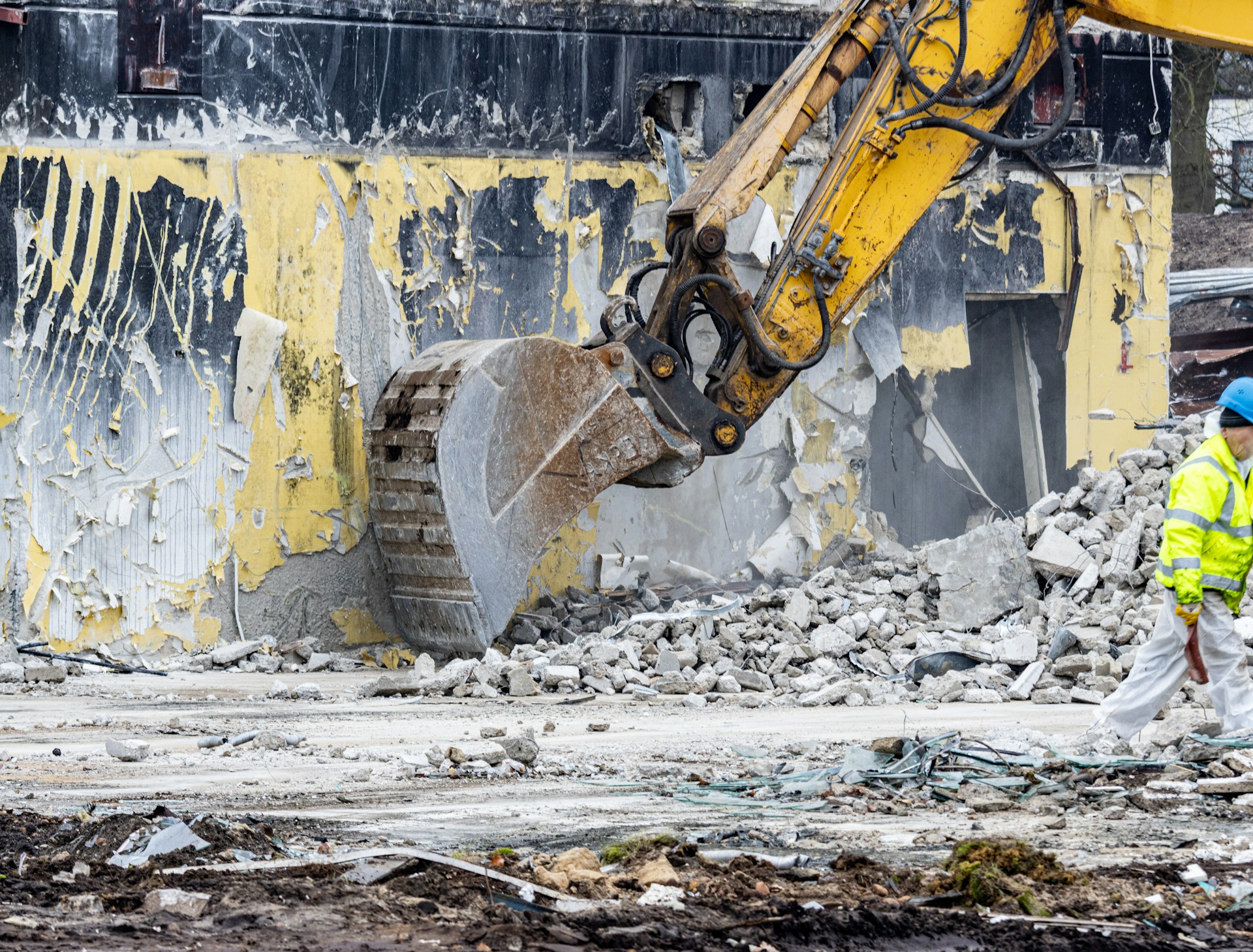
5. Careful demolition using proper tools and safety gear
6. Loading debris into roll-off containers and hauling it away for proper disposal
Done the right way, demolition after water damage helps:
- Speed up drying of the remaining framing and materials
- Give restoration contractors a clear view for accurate repair estimates
- Create a safer space for families, plumbers, electricians, and other crews
Once demolition is complete, the home is in a better state for drying, mold treatment, and rebuilding.
Types of Demolition After Flooding and Seasonal Water Risks
Different water situations call for different types of demolition. In most homes, water-related work will fall into one of three groups.
Interior demolition means work done inside the structure. For water damage, this could be:
- Stripping a flooded basement level down to the studs
- Removing all finishes in a soaked bathroom or kitchen
- Pulling up wet flooring through several connected rooms
Selective demolition targets smaller areas. This is useful when part of the home stayed dry. Examples are:
- Cutting out one water-damaged wall while saving the others
- Removing only the lower section of drywall where flood water reached
- Pulling out cabinets and flooring under a long-term leak while leaving the ceiling and nearby rooms alone
Exterior demolition may be needed if outside parts of the building were hit. After heavy storms, siding, decks, porches, or even sections of exterior wall can absorb water or shift if the soil and foundation moved. In those cases, removing and replacing those pieces helps protect the inside from future leaks and keeps the structure safe.
In late summer, from July through September, our region often sees:
- Hurricanes and tropical systems that bring strong wind and rain
- Slow-moving thunderstorms that dump a lot of water in a short time
- Saturated ground that cannot absorb more water, leading to flooding
Homeowners can reduce risk by:
- Cleaning gutters and downspouts so water can move away from the house
- Testing sump pumps and checking backup power sources
- Sealing visible foundation cracks and checking basement walls
- Inspecting roofs, flashing, and window seals before heavy weather hits
Planning ahead also includes knowing who you would call for emergency residential demolition services and debris containers. When a storm hits, having that plan ready helps you move faster and lower health risks from standing water and mold.
Choosing Residential Demolition Services and Common FAQs
When you are dealing with a water loss, the right demolition partner makes a big difference.
- Full insurance coverage for the crew and your property
- Clear experience with water-damaged homes and buildings
- Proper licensing and permit knowledge for your local town
- A strong local reputation and familiarity with typical homes in your area
A family-owned company that works in Westchester, Putnam, Dutchess, and nearby Connecticut will understand local building styles, weather patterns, and common problem spots. Good communication with plumbers, restoration companies, and insurance adjusters is also important, so demolition happens at the right time and is well documented.
Here are some common questions about residential demolition services for water damage.
What Are Residential Demolition Services for Water-Damaged Homes?
This means the careful removal of wet, unstable, or contaminated parts of a home after leaks or flooding. It is usually one of the first big steps before drying, mold treatment, and full restoration.
When to Call for Residential Demolition After Flood Damage?
Once emergency water extraction is finished, demolition should happen quickly. Mold can start to grow within a short time, especially in warm, damp areas. A local demolition team can usually respond promptly in nearby counties to inspect and plan the next steps.
Can Water Damage Demolition Help Prevent Mold?
Yes. By taking out soaked drywall, insulation, flooring, and other porous materials, you cut down the moisture that mold loves. Demolition works together with professional drying and remediation services to create a cleaner, drier space.
Will Insurance Cover Demolition for a Water-Damaged Home?
Many homeowners find that demolition is included as part of a covered water loss, especially when it is needed to remove damaged materials before repairs. Policies vary, so it is smart to review your coverage. Detailed notes, photos, and reports from the demolition crew can support the claim process.
How Messy Is Residential Demolition in Water-Damaged Homes?
There will be dust, debris, and noise, but a professional crew limits the impact by:
- Sealing off work zones with plastic
- Protecting floors and nearby surfaces
- Using roll-off containers to keep debris organized
- Cleaning up the site so restoration can start sooner
With a clear plan, residential demolition for water damage becomes a controlled step toward getting your home back, not a chaotic event.
Choosing Residential Demolition for Water-Damaged Homes in NY/CT
Look for a licensed, insured demolition contractor with experience in water-damaged homes, strong local references in New York and Connecticut, and good coordination with restoration companies and insurance adjusters.
Timely, professional demolition after water damage helps protect your structure, your indoor air, and your long-term home value. Done right, it clears away what is unsafe so that repair and rebuilding can move forward with confidence.
Get Started With Your Project Today
If you are planning a teardown or major remodel, our team at Demolition Experts NY is ready to help you move forward safely and efficiently. Explore our professional residential demolition services to see how we handle every phase of the job, from permitting to cleanup. When you are ready to discuss timelines and pricing, simply contact us and we will walk you through the next steps.
Sorry, the comment form is closed at this time.