

16 Aug Neighborhood-Friendly Residential Demolition in Tight Lots
Safer Home Makeovers on Even the Smallest Lots
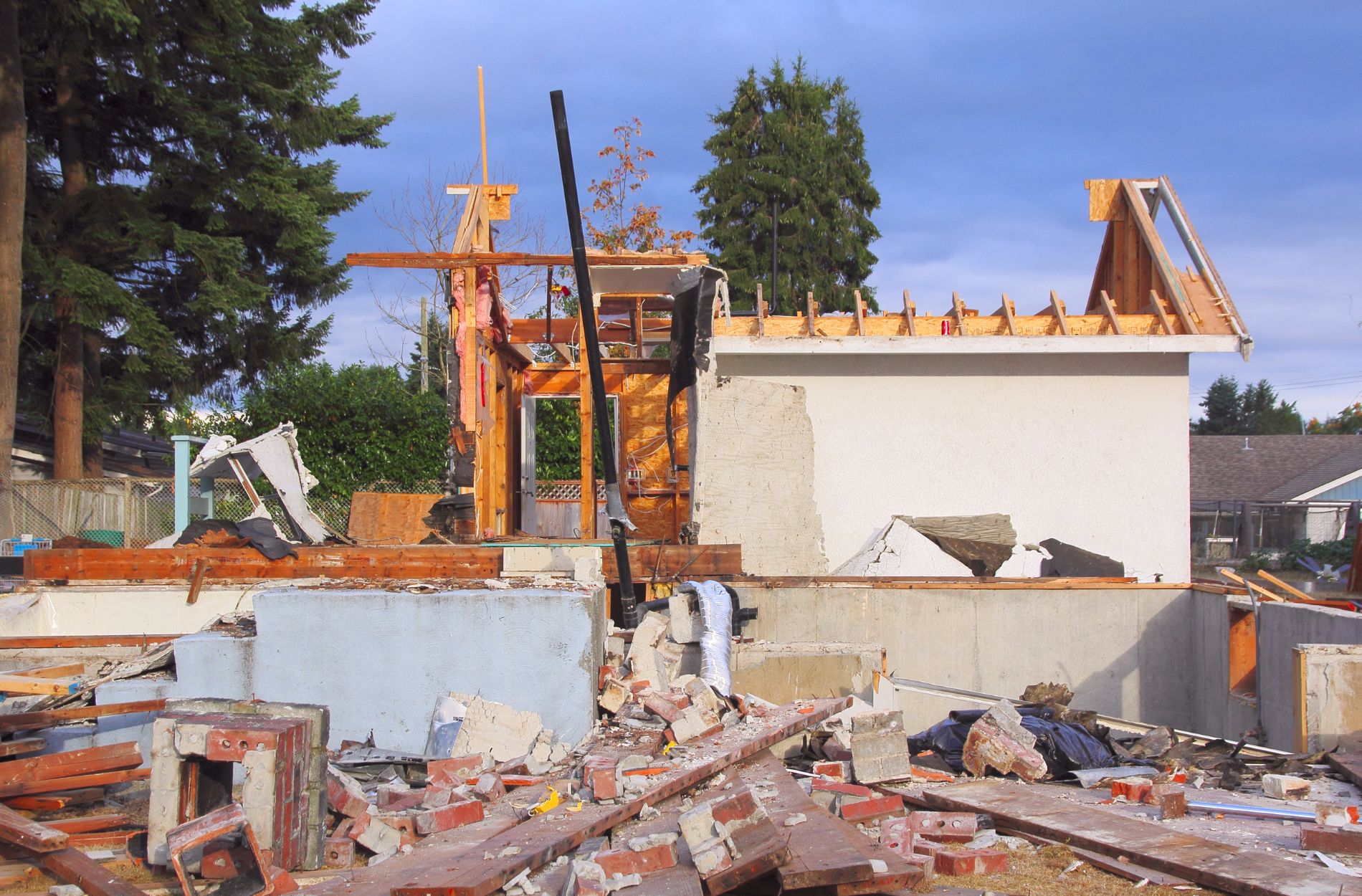
Tight city and suburban lots can make residential demolition feel stressful. Houses sit close together, side yards are only a few feet wide, and there are cars, kids, and pets everywhere. Still, many homeowners need walls removed, garages taken down, or whole sections cleared so they can remodel or rebuild safely.
This is where careful planning and professional residential demolition services matter. Done right, demolition can protect nearby homes, sidewalks, trees, and the whole block while still giving you a clean, ready-to-build space. Our team at Demolition Experts NY is a family-owned, fully insured local partner that focuses on safe, neighborhood-friendly work across Westchester, Putnam, Dutchess County, and nearby parts of CT, especially when people want projects finished before fall and winter renovations.
Challenges of Demolition on Tight Residential Lots
Small lots come with big constraints. Before any wall comes down, we have to think about everything around your home, not just the structure itself.
Common challenges on tight lots include:
- Narrow side yards and tiny backyards
- Shared or very tight driveways
- Closely set foundations and neighboring decks or garages
- Overhead wires, low trees, and fences right on the line
- Limited access for trucks, dumpsters, and machines
When there are only a few feet between houses, every move counts. Structural vibration, dust, and flying debris can affect siding, windows, and roofs next door. Even a small mistake can crack a walkway or damage a fence.
On top of that, zoning rules, permits, and HOA restrictions often come into play. There may be limits on working hours, required fencing, or where equipment can be parked. If these rules are not handled correctly, it can slow the project and strain neighbor relationships, which is exactly what you want to avoid on a tight block.
How Professional Planning Protects Your Block
Safe residential demolition starts long before the first piece comes down. A thoughtful plan protects your home and your neighbors, and it helps the job move quickly.
A typical pre-demolition process includes:
- On-site visit to walk the property and the surrounding area
- Structural assessment to see how the building is framed and supported
- Utility mark-outs so gas, water, electric, and sewer lines stay safe
- Permit coordination with the local building department or town
With a clear plan, we can set up routes for machinery, place dumpsters, and decide where debris will move in and out. This keeps sidewalks open, cuts down on traffic blockages, and makes it easier for kids to get to school and neighbors to get to work.
We also coordinate with local building departments and utility companies across NY and CT. This helps reduce surprises, like a hidden line or an unmarked pipe, which could put the whole street at risk. Careful planning means fewer delays, less noise, and a safer site for everyone around your home.
Low-Impact Methods for Tight Residential Demolition
Not every project requires a full tear-down. On tight lots, softer and more controlled methods often work better than heavy machines alone.
Selective demolition and interior gutting focus on taking out only what needs to go, such as:
- Interior walls, ceilings, and flooring
- Old kitchens and bathrooms
- Attached garages, porches, or sheds
- Damaged sections of a structure
For these types of residential demolition services, we use tools and techniques that fit small spaces, like compact machinery, hand dismantling, and protective barriers. Temporary walls, plywood shields, and padding can help guard siding, windows, and landscaping next door.
Phased debris removal keeps piles from getting out of hand. Instead of letting material stack up, sections are removed, loaded, and hauled away in stages. This makes it easier to control dust and keeps access points clear so neighbors can still walk and drive through the area with less disruption.
Managing Dust, Noise, and Debris Like a Good Neighbor
On a small lot, your worksite is basically everyone’s front yard. Good neighbors think ahead about dust, noise, and debris.
For dust control, we focus on:
- Gentle water misting while materials are being removed
- Taking the building apart section by section instead of all at once
- Sealing windows and doors in active work areas
- Proper handling and disposal of old building materials
Noise is another concern, especially when homes are close and yards are shared. Planning work hours that respect early mornings and evenings helps a lot. Many homeowners also choose to let neighbors know the schedule ahead of time, so people can plan around louder parts of the project.
Debris management is just as important as the demolition itself. Professional debris removal, junk hauling, and dumpster rental keep streets, driveways, and sidewalks clear. When dumpsters are placed smartly and material is loaded in a steady flow, there is less risk of blocked cars, scratched pavement, or tripping hazards near the curb.
Seasonal Timing for Safe and Efficient Demolition
Seasonal timing can make a big difference, especially when space is tight and there is not much room to store materials. Many homeowners choose late summer and early fall for residential demolition services because the weather is usually steadier and there is more daylight to finish each phase.
Good timing helps with:
- Getting foundations and framing started before cold, wet weather
- Allowing enough time for inspections without everything feeling rushed
- Keeping exterior cleanup easier when the ground is dry and clear
When lots are small, there is less room to stage materials or shift equipment inside the property lines. That means we plan around school schedules, holidays, and neighborhood traffic patterns whenever possible. Fewer school buses on the street or fewer cars in the driveway can make a tight project safer and smoother for everyone on the block.
FAQ About Residential Demolition on Small Lots
What permits and approvals are usually needed for residential demolition services in this region?
Most towns and counties in Westchester, Putnam, Dutchess, and nearby CT require a demolition permit, proof of insurance, and sometimes an inspection before and after the work. Some HOAs also ask for written notice or approval.
How close to my property line can demolition occur, and how is my neighbor’s home protected?
Local codes and zoning rules often define setback and work areas. Professional crews set up barriers, padding, and controlled work zones to keep neighboring siding, windows, and foundations safe during demolition.
How long does a typical small-lot house or interior demolition take, and what does the daily schedule look like?
Timing depends on the size of the structure, access, and permit requirements. Most days follow a similar pattern: site setup, active demolition, debris loading, and end-of-day cleanup so the site is secure overnight.
Will I need separate contractors for junk removal and dumpster rental?
With a full-service demolition team, debris removal, junk hauling, and dumpster rental are usually handled as part of the project, which helps keep the site cleaner and more organized.
How do you control dust, pests, and hazardous materials like asbestos or lead?
Dust is managed through water misting, sectioned work, and sealing off areas. Suspected hazardous materials are handled according to local guidelines and may require testing and specialized removal by trained professionals.
FAQ About Costs, Insurance, and Safety Standards
How are costs estimated for residential demolition services on tight lots, and what might change the price?
Estimates are based on factors like structure size, access limits, material types, and disposal needs. Challenges such as very narrow access, extra hand dismantling, or difficult debris hauling can affect the final cost.
Are you fully insured and licensed, and what documentation should homeowners request?
Homeowners should always ask for proof of insurance and any required licenses or registrations before work begins. This protects you if something unexpected happens during the project.
What safety measures protect workers, my family, and neighboring properties?
Safe projects use protective gear, clear work zones, fence or barrier systems, and daily site checks. Professional crews also secure loose material, control entry to the site, and follow local safety rules.
What happens if hidden issues are found once walls or floors are opened up?
If hidden damage, utilities, or materials are found, work is paused in that area and the situation is explained. A plan is then made to address the issue safely before demolition continues.
Plan a Neighbor-Friendly Demolition with Local Pros
Careful planning, clear communication, and low-impact methods are the keys to safe demolition on tight lots. When you work with local residential demolition services that understand small yards, close neighbors, and regional rules, your project can move forward with less stress and more confidence.
Demolition Experts NY is a family-owned, fully insured company that focuses on respectful, neighborhood-friendly demolition and debris removal across Westchester, Putnam, Dutchess County, and nearby CT. An on-site evaluation is the best way to understand your tight-lot challenges, review safety options, and plan a clean, safe start for your next renovation or rebuilding project.
Get Started With Your Project Today
If you are planning a tear-down, renovation, or site clearance, our team at Demolition Experts NY is ready to help you move forward with safe, code-compliant work. Explore our professional residential demolition services to find the right approach for your property and timeline. Tell us about your project goals and constraints, and we will provide a clear plan and estimate. To schedule a consultation or ask questions, simply contact us.
Sorry, the comment form is closed at this time.